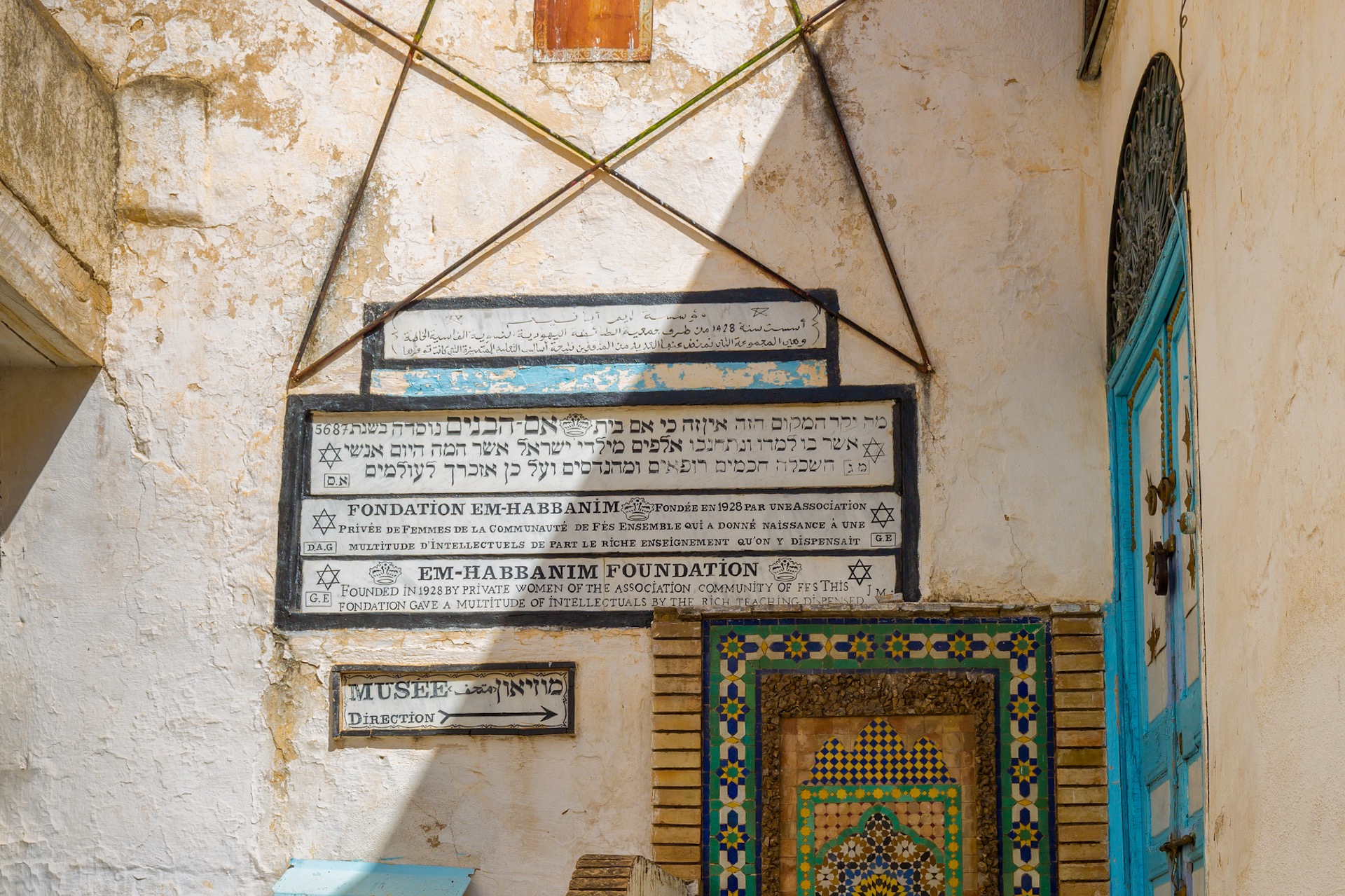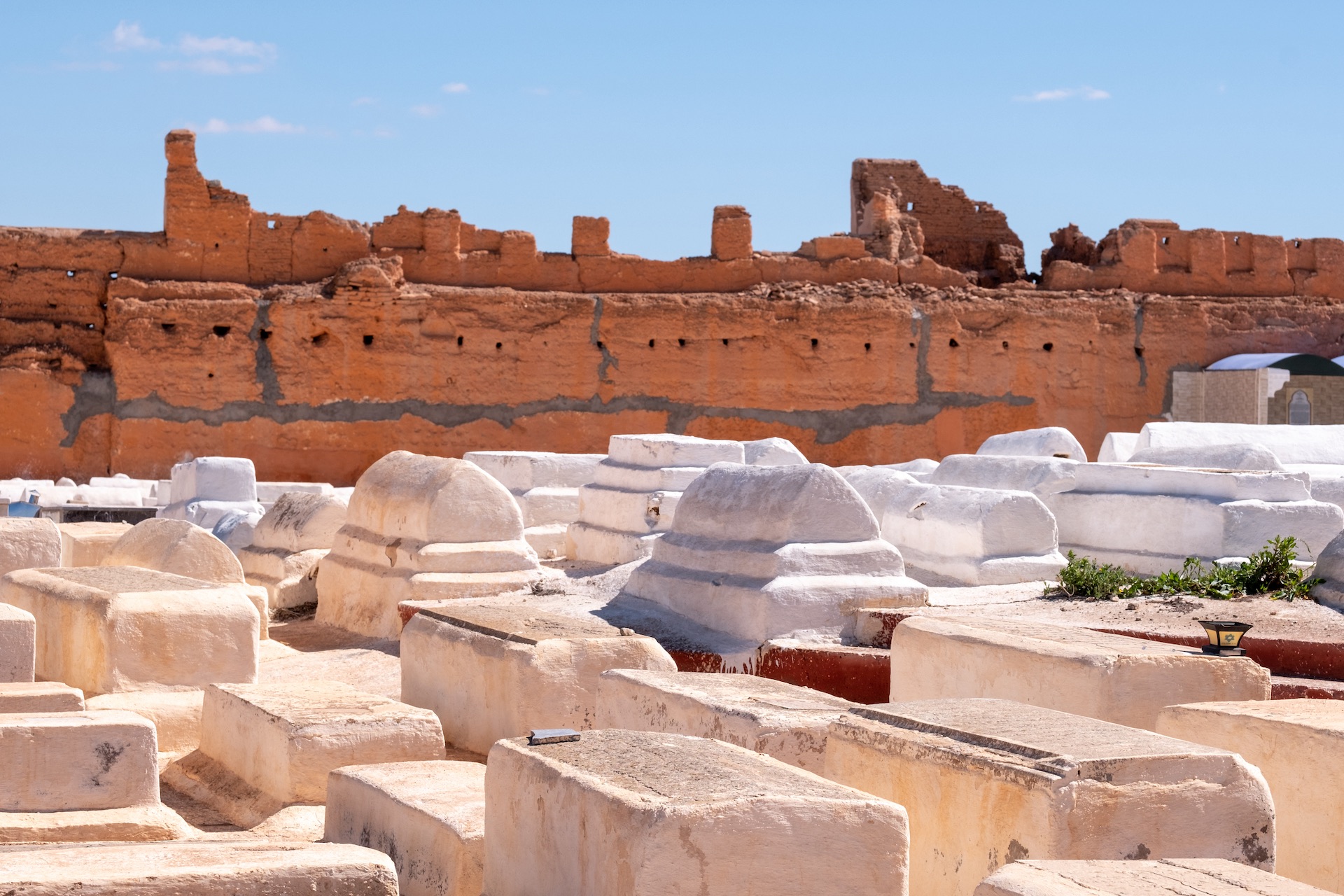
Moroccan Jews remain the largest Jewish community in the Arab world, and their roots run back more than two thousand years.
About 2,500 Jews live in Morocco today, most of them in Casablanca. That makes it the largest Jewish community in the Arab world. Estimates range from roughly 1,000 to 3,000. The community once numbered 250,000–350,000, before mass emigration from the 1950s.
Summary
- Around 2,500 Jews live in Morocco today, the largest Jewish community in the Arab world.
- Most of the community lives in Casablanca, with smaller groups in Rabat, Marrakesh, Meknes, Tangier, Fez and Tetouan.
- The population peaked at 250,000–350,000 in the 1950s, before waves of emigration to Israel, France and Canada.
- Jewish presence in Morocco dates to antiquity, with physical evidence from the Roman city of Volubilis.
- Morocco recognises its Hebraic heritage in its 2011 constitution and has restored synagogues, cemeteries and mellahs across the country.
The headline number tells you the scale of the decline, but not the texture of what remains. Below, I set out where the community lives, why it grew so large in the first place, and what Jewish life in Morocco looks like now.
How Many Jews Are in Morocco Today?
About 2,500 Jews live in Morocco today, the largest Jewish community in the Arab world. Most reside in Casablanca. Published estimates vary between roughly 1,000 and 3,000 because of different years and counting methods.
Based on my research, 2,500 seems like the most reliable figure.
I've spent over twelve years organizing Jewish heritage tours across Morocco with Shin Tours and most of my clients assume it's a larger number. The truth is that the community is small – fewer than one in 10,000 Moroccans is Jewish today.
The exact figure depends on who is counting. The World Jewish Congress put the community at about 2,100 in 2020 after drawing on demographer Sergio DellaPergola’s estimate of 2,150 in 2015.
What matters more than the precise count is the scale of the change. In the 1950s, Morocco was home to an estimated 270,000 Jews – the largest Jewish community in the entire Muslim world. Within a generation, almost all of them left.
The table below traces that decline.
Morocco's Jewish population from its mid-century peak to today
| Period | Estimated Jewish population | Source |
|---|---|---|
| 1948 | ~250,000–270,000 | WJC/ EJC |
| 1971 | 25,000 | WJC |
| Today | ~2,100 | WJC |
Sources: World Jewish Congress (WJC) and European Jewish Congress (EJC)
That collapse is the story behind the number – a community reduced to a fraction of itself, yet still enduring.
Where Do Most Jews Live in Morocco?
Most Jews in Morocco live in Casablanca which is home to a community around 1,000-strong, and the centre of organised Jewish life. Smaller communities remain in Rabat, Marrakesh, Meknes, Tangier, Fez and Tetouan. The historic community spread across both inland imperial cities and coastal trading ports.
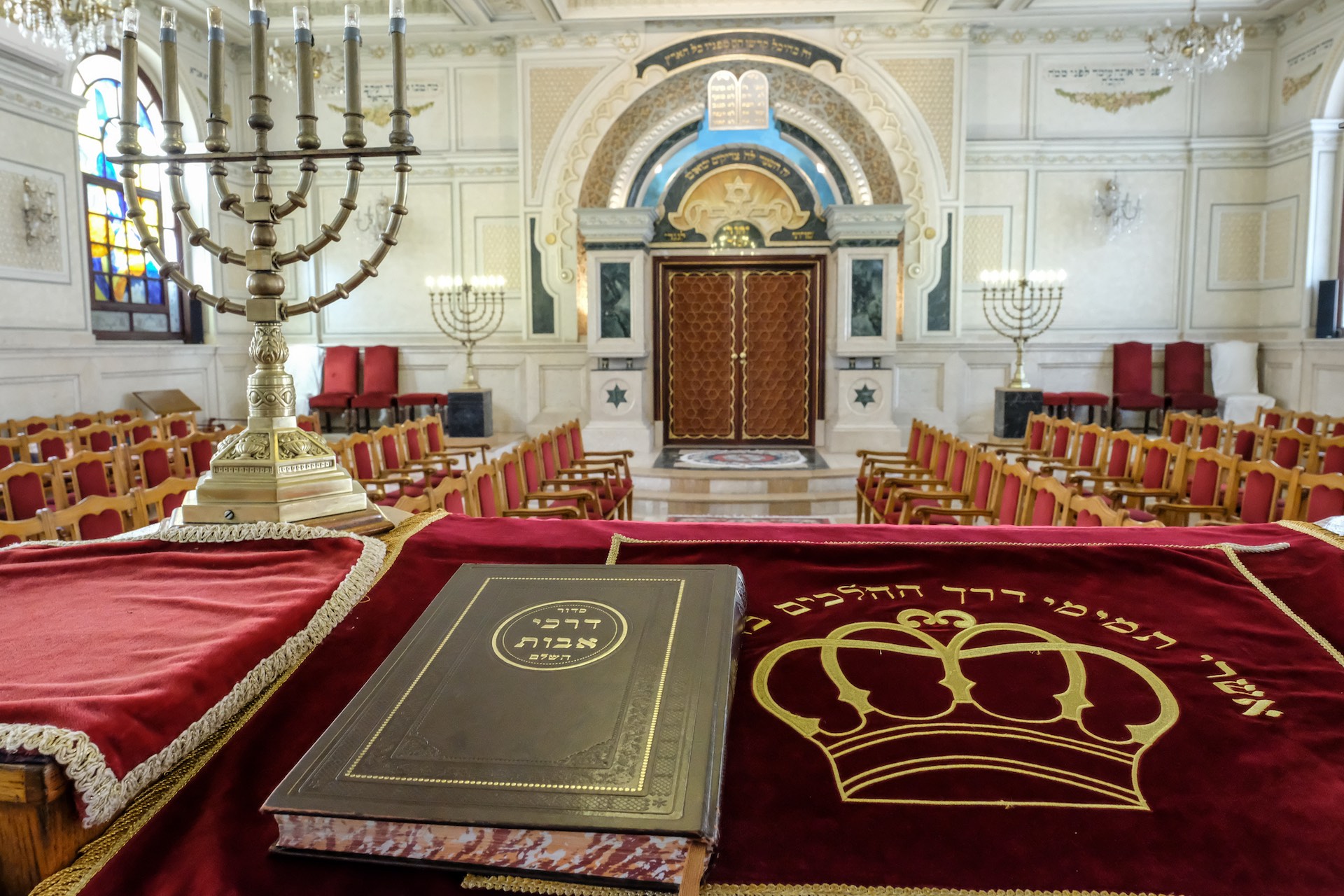
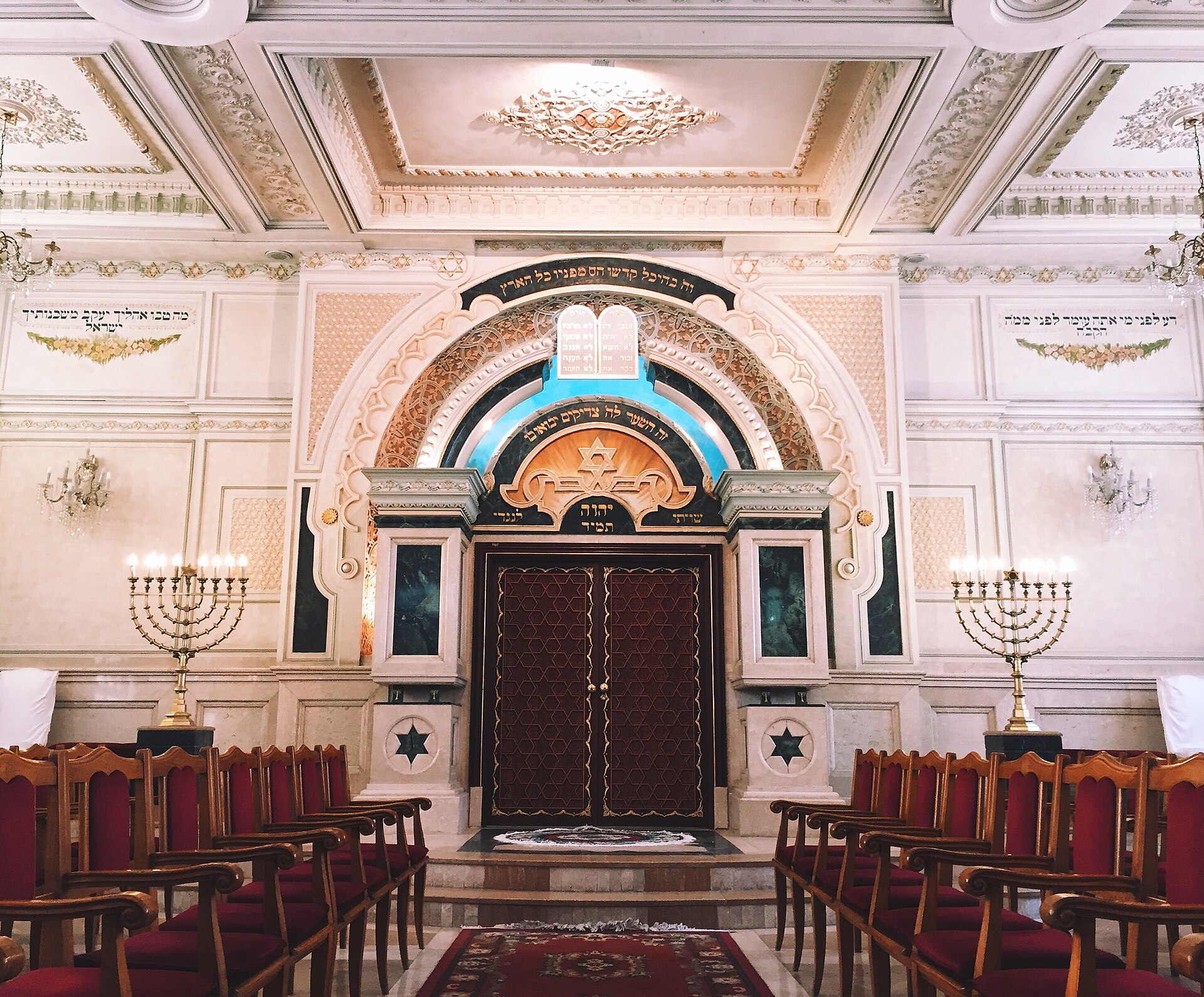
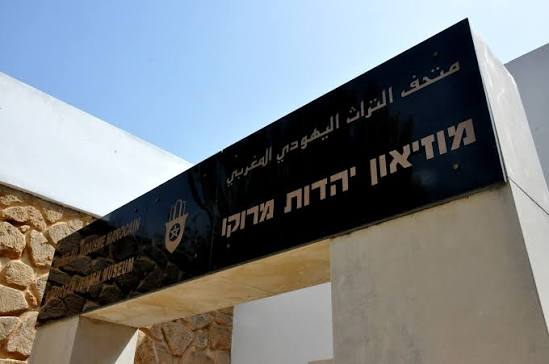
Casablanca is the hub. It holds the country’s main Jewish institutions, active synagogues, kosher restaurants and the only Jewish museum in the Arab world. Read more about Casablanca's history and Jewish sites here.
The rest of the community is scattered thin across a handful of cities that once held thriving populations. The table gives the approximate breakdown.
Where Morocco’s Jewish community lives today, by city (approximate).
| City | Approximate Jewish community |
|---|---|
| Casablanca | ~1,000 |
| Rabat | ~400 |
| Marrakesh | ~250 |
| Meknes | ~250 |
| Tangier | ~150 |
| Fez | ~150 |
| Tetouan | ~100 |
Source: World Jewish Congress
The geography reflects two different histories. Fez and Marrakesh were great inland centres of Jewish learning and craft for centuries. Cities like Essaouira, Tangier and Casablanca grew later, as Jews moved toward the coast for trade with Europe in the nineteenth and twentieth centuries.
That spread – inland heartland and coastal port alike – is why Jewish quarters, the mellahs, appear in almost every major Moroccan city.
Which City in Morocco Has the Most Jews Today?
Casablanca has the most Jews in Morocco today, with a community of around 1,000. It is the country’s largest city and the centre of Jewish communal life, holding active synagogues, schools, kosher establishments and cultural institutions. Marrakesh and Fez retain smaller, older populations.
When I bring travellers to Casablanca, they are often surprised to find Jewish life still visibly present – not preserved behind glass, but ongoing. You can read more about modern Jewish life in Casablanca in our guide.
Why Did Morocco Have So Many Jews Historically?
Morocco had a large Jewish population because the community is ancient, was repeatedly reinforced by migration, and lived under a protected legal status that allowed it to endure. Jews settled here in antiquity, grew through the arrival of Spanish refugees after 1492, and prospered as traders and crafts people for centuries.
The roots are genuinely old. The clearest physical evidence comes from Volubilis, the Roman city near Meknes, where archaeologists found Hebrew epitaphs, a menorah-decorated lamp and the remains of a third-century synagogue. Jewish presence here predates the arrival of Islam in the late eighth century.
The community had two strands. The Toshavim were the indigenous Jews – long-settled, often living among Berber communities in the Atlas and the plains. The Megorashim were the Sephardic Jews who fled Spain after the 1492 Alhambra Decree, and later Portugal.
Over time, the Sephardic rite came to dominate, though both strands shaped Moroccan Jewry.
For most of this history, Jews held the status of dhimmi – a protected but subordinate minority. In practice this meant real protection from the sultans, who valued Jewish traders and treasurers, alongside real constraints on how Jews could live and work. It was neither persecution nor equality, and that balance is much of why the community lasted so long.
Trade drew Jews into public life.
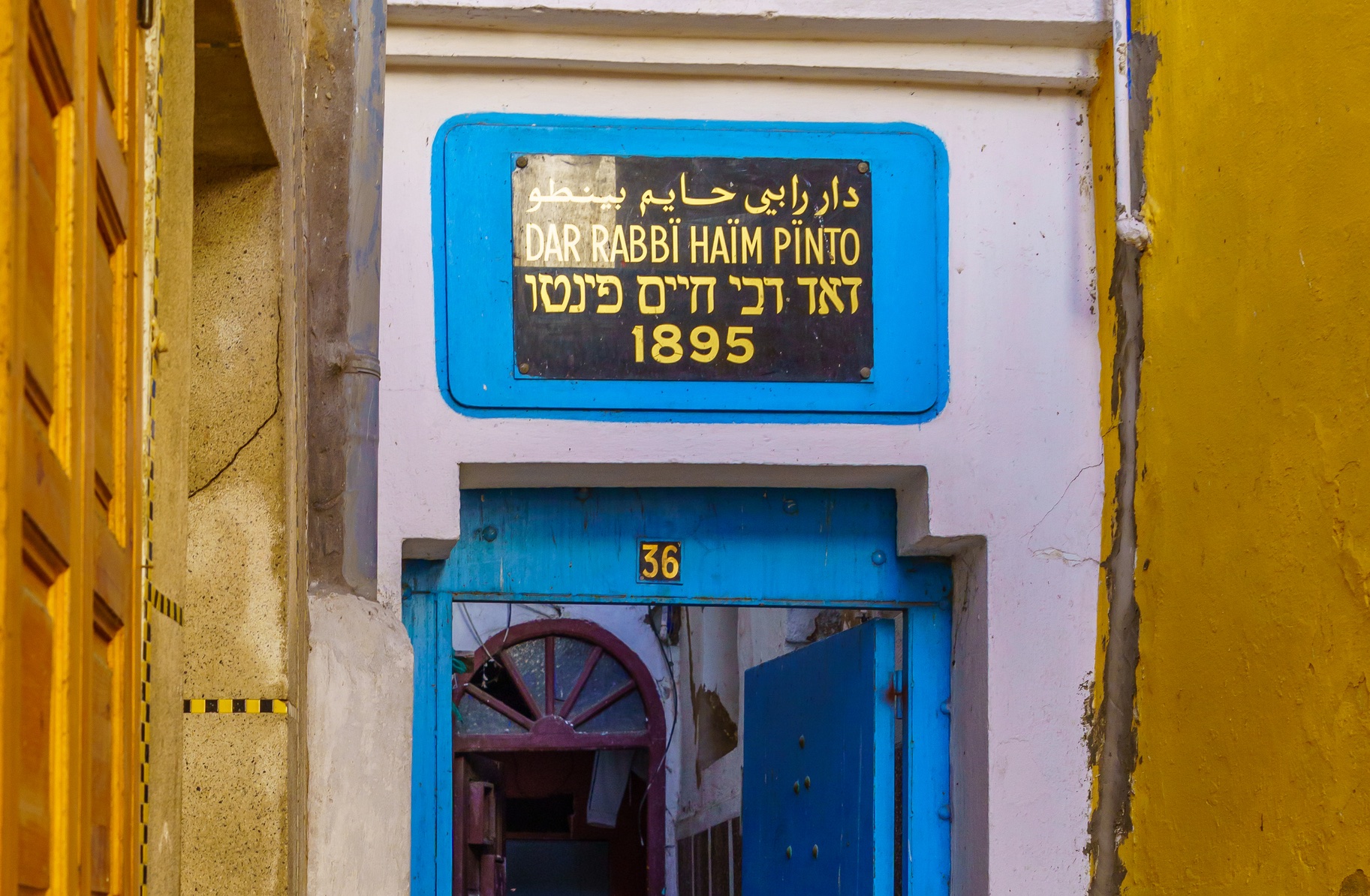
In the port of Essaouira – then Mogador – the sultan recruited prominent Jewish merchant families in 1764 to build the city into a hub of international commerce. Jewish quarters clustered near the palace, under the ruler's direct protection.
What Happened to Morocco's Jewish Population?
Morocco’s Jewish population fell from around 250,000–350,000, in the 1950s, to about 2,500 today. Most emigrated after the establishment of Israel in 1948, leaving for Israel, France and Canada across the following two decades.
The reasons behind that departure are layered, and they deserve their own treatment. If you want the full picture of the causes and the waves of departure, see our companion piece on why Jews left Morocco.
Here it is enough to note the outcome – a community that was once one of the largest in the world became one of the smallest.
Can You Be Both Jewish and Moroccan?
Yes, Jewish and Moroccan identity have coexisted for over two thousand years, and Morocco formally recognised its Hebraic heritage in its 2011 constitution. The country’s most senior royal adviser is a Moroccan Jew, and Jewish communal life continues in its synagogues, cuisine and pilgrimages.
This is the part that surprises travellers most – the 2011 Constitution names the country’s Jewish heritage as a strand of the national identity, woven in alongside its Arab, Amazigh and other influences. That recognition is not only symbolic – the King's long-serving senior adviser, André Azoulay, is a Moroccan Jew.
Language carries the same dual heritage.
Many Moroccan Jews historically spoke Judeo-Moroccan Arabic, a distinct Jewish variety of Darija written in Hebrew script, rather than standard Moroccan Arabic.
Morocco has backed this heritage with action. The state has restored more than a hundred synagogues, renovated cemeteries and revived the old Jewish street names in cities like Marrakesh. In 2020, the King inaugurated Bayt Dakira, a centre in Essaouira dedicated to Jewish–Muslim coexistence.
The community is small, but it is living.
In Fez, families still keep the seventeenth-century Ibn Danan Synagogue open to visitors – I've stood inside it with travellers many times. Kosher restaurants and Shabbat services continue in Casablanca, Marrakesh and Fez.
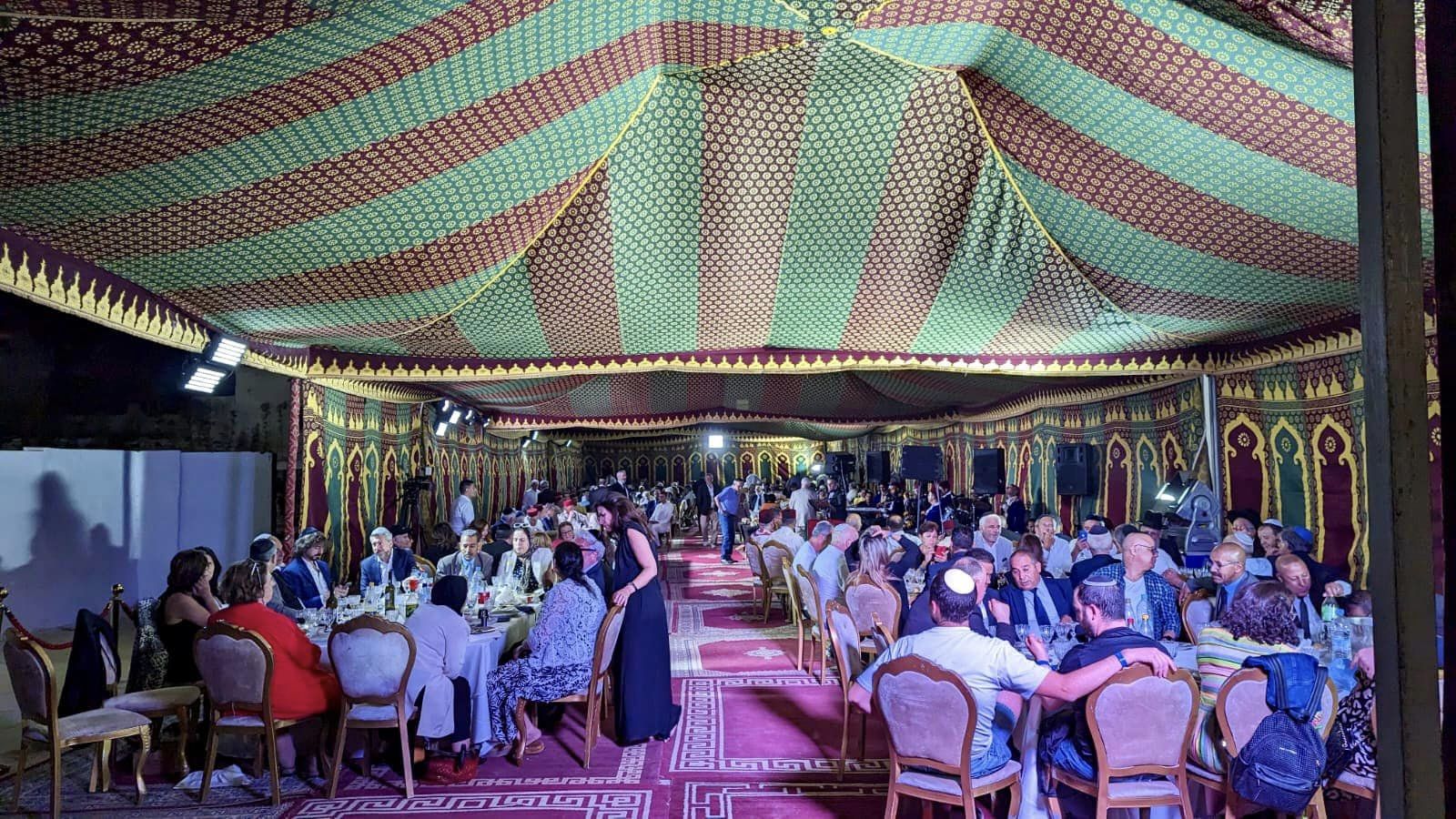
Each year, Jews of Moroccan descent return for the Hiloula pilgrimages to the tombs of revered rabbis, and shared festivals like the Mimouna, after Passover, still bring Jewish and Muslim neighbours together.
For travellers who want to see this heritage as something present rather than past, we run Jewish heritage tours of Morocco built around exactly these places.
Our full guide to the best Jewish sites to visit in Morocco maps out the synagogues, mellahs and shrines worth seeing.
Frequently Asked Questions
What Are Moroccan Jews Called?
Moroccan Jews are known in Arabic as Yahud al-Maghariba and in Hebrew as Yehudim Maroka'im. The community has two historic strands – the indigenous Toshavim and the Sephardic Megorashim, who arrived after 1492.
Read more about the Sephardic origins of Moroccan Jews in our dedicated guide.
What Kind of Jews Are Moroccan Jews?
Moroccan Jews are a blend of two strands: the indigenous Toshavim and the Sephardic Megorashim who fled Spain after 1492. The Sephardic rite became dominant, but Moroccan Jewry is not purely Sephardic.
Do Moroccan Jews Have Berber DNA?
Probably a little, but less than many people assume.
Genetic studies trace Moroccan Jews mainly to a Middle Eastern origin, shared with Jewish communities worldwide. Studies of both the mother's and father's family lines find only limited Berber ancestry. Some whole-genome research points to a modest North African share, so the question stays open.
Do Moroccan Jews Speak Arabic?
Historically, most Moroccan Jews spoke Judeo-Moroccan Arabic – a distinct Jewish variety of Darija, written in Hebrew script. In the north, some spoke Haketia, a Judeo-Spanish dialect.
Today, most speak French, Hebrew or standard Moroccan Arabic, and the older Judeo-Arabic is spoken mainly by elderly people.
Are Jews Welcome in Morocco Today?
Morocco has a long tradition of coexistence, and the small Jewish community takes part in public and cultural life. The state officially recognises its Jewish heritage and has restored Jewish sites across the country.
For a fuller look at whether Morocco is safe and welcoming for Jews today, see our dedicated guide.
How Many Moroccan Jews Live in Israel?
Israel is home to about 472,800 Jews born in Morocco or with a Moroccan-born father, according to the Israeli Central Bureau of Statistics for 2019.
The World Federation of Moroccan Jewry, as quoted in the Jerusalem Post, estimates that close to one million Israelis are of Moroccan descent – the second-largest community in the country.
Explore Morocco’s Living Jewish Heritage With Shin Tours
I've spent over twelve years organizing Jewish tours of Morocco, and the community here is a story you can still walk through – not only read about.
Request a free custom itinerary and you’ll get:
- A tailored route built around the synagogues, mellahs and heritage sites that matter to you
- A personal call with me to plan your trip
- A sample itinerary to review before you commit
Request your free custom Morocco itinerary, or get in touch to start the conversation.
Asaf Peled
Asaf Peled began operating Jewish tours as a registered guide in Israel in 2012, before founding Shin Tours in 2018 and opening up Jewish heritage tours in the Middle East, North Africa and Europe.