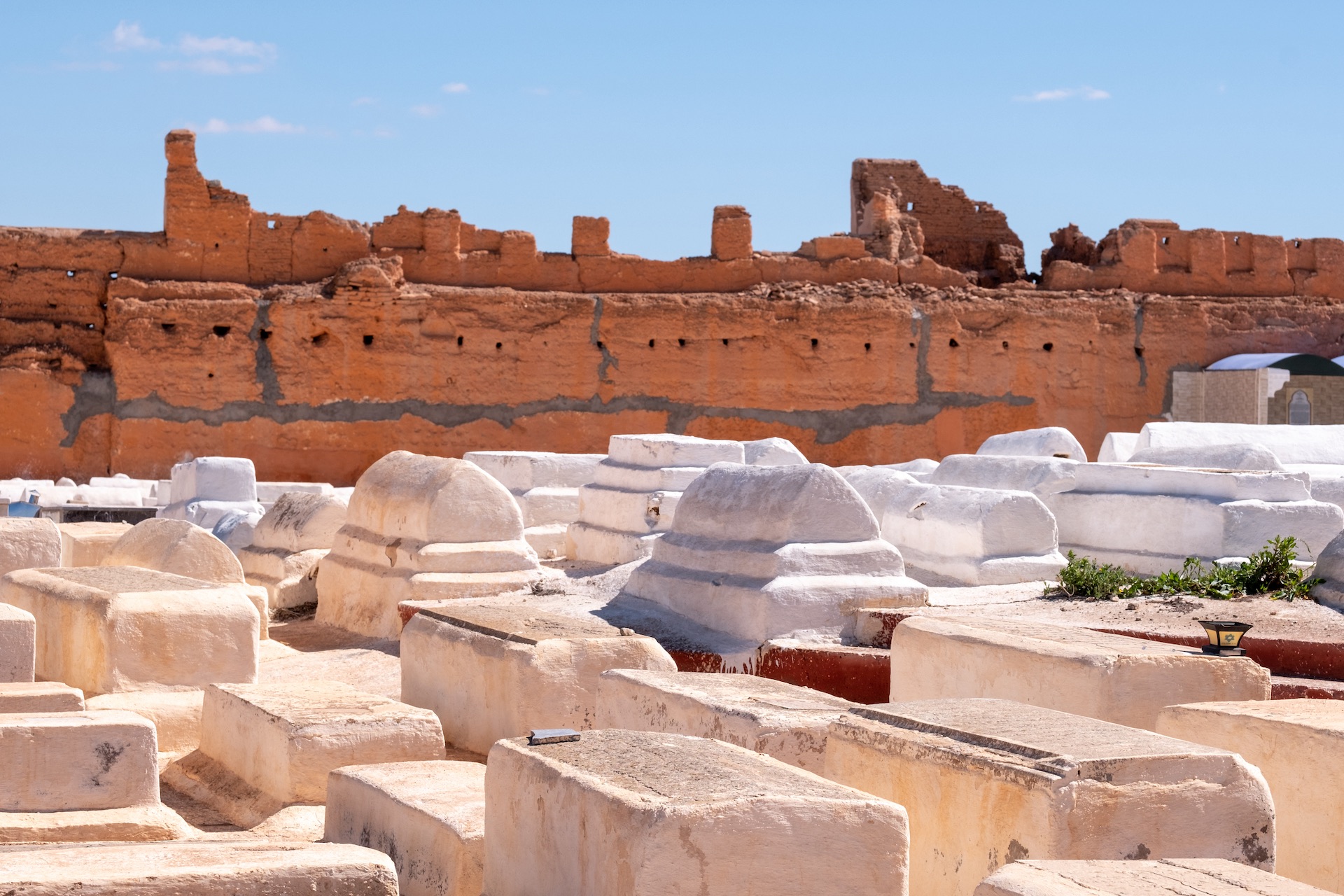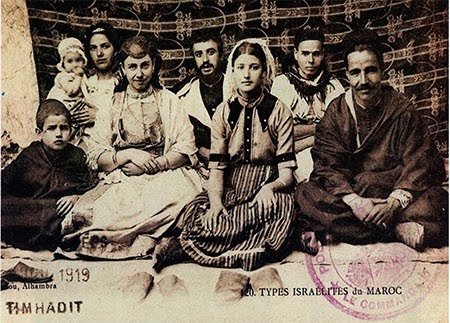
A hiloula is a joyful Jewish pilgrimage to the tomb of a tzadik, held on the anniversary of his death. In Morocco, the best-known draw thousands to Essaouira, Ouezzane and Fes each year.
A hiloula is a Jewish pilgrimage marking the yahrzeit of a revered tzadik, or saint. Rather than mourning, it celebrates with prayer, candle-lighting and feasting at the saint’s tomb. In Morocco the tradition is Sephardi, and the largest gatherings honour Rabbis Haim Pinto, Amram Ben Diwan and Yehuda Ben Attar.
Summary
- A hiloula celebrates a tzadik on the anniversary of his death with joy, not mourning.
- The word comes from the Aramaic for “wedding” – the soul’s reunion with the Divine.
- Morocco’s tradition is Sephardi, distinct from the Ashkenazi Hasidic hiloula.
- The three most famous Moroccan hiloulot honour Rabbi Haim Pinto (Essaouira), Rabbi Amram Ben Diwan (Ouezzane) and Rabbi Yehuda Ben Attar (Fes).
- Pilgrims light candles, touch the memorial stone, feast and sing at the saint’s tomb.
Below, I’ll take you through what happens at a hiloula, when each of the three falls, and why you’ll be welcome even if you aren’t Jewish.
Much of what follows comes from years my team has spent taking guests to these tombs as part of a Jewish tour experience through Morocco.
What Is a Hiloula?
In Morocco, a hiloula is a Sephardi pilgrimage to the tomb of a tzadik on his yahrzeit – the Hebrew anniversary of his death. Also called a Yom Hillula, it marks the day with prayer and celebration – not grief.
Search for "hiloula" and Google tends to show you the Hasidic version – Ashkenazi rebbes, eastern Europe, Kabbalah. That tradition is real, but it isn't the same in Morocco. Moroccan Jews are Sephardic and the Moroccan hiloula runs through its own deep roots.
Here is the heart of it: Where an ordinary yahrzeit brings quiet mourning, the Moroccan hiloula brings joy.
Why Does the Moroccan Hiloula Celebrate a Death?
Because a righteous soul is thought to reach its highest union with God on the day it leaves the world. The grief is ours. The elevation is his.
So the tomb becomes a place of hope, not sorrow. Pilgrims come to light candles, touch the memorial stone, and ask the tzadik to carry their prayers upward – for health, for children, for a good life and the resolution of their problems.
One point to clear up, because we hear many tour guides muddle the true meaning. A hiloula is not one of the Shalosh Regalim – Pesach, Shavuot and Sukkot, the three festivals when Jews once ascended to the Temple. Those are calendar festivals for the whole people.
A hiloula is a pilgrimage to a single saint's grave.
The custom is old. The earliest recorded hiloula in 1522 honoured Rabbi Shimon bar Yochai at Meron on Lag BaOmer – and it’s the model every later hiloula follows.
Morocco took that model and made it its own.
Over more than a decade guiding families through this country, I've watched what these days do to people. A grandmother who left Fes as a child stands at a rabbi's tomb and weeps and laughs at the same moment. That is a hiloula experience.
What is the meaning of the word hiloula?
The word "hiloula" comes from the Aramaic hillula, meaning "wedding" or "festivity." It casts the tzadik's death as a marriage – the soul's reunion with the Divine – which is why a hiloula is joyful, not mournful. In Morocco the term is Sephardi, but Ashkenazi Hasidim use it too.
What Happens at a Hiloula? (What to Expect)
At a hiloula, pilgrims pray at the tzadik's tomb, light candles and touch the memorial stone to seek blessings. The day continues with feasting, Andalusian music and piyyutim – Hebrew songs – as families reunite and celebrate through the night.
The prayer comes first. You approach the tomb, you light your candle, you lay a hand on the memorial stone, and you ask for what your heart needs.
Then comes a moment that surprises first-time visitors: the candle auction. The tomb's caretakers auction large candles to the highest bidder, and the money keeps the shrine standing for another year. Bidding runs high, and winning one is an honour.
After prayer, the feast. Families spread out food and drink, and the whole camp shares it – because offering food to a stranger here counts as a mitzvah.
This is where a hiloula stops feeling like a graveside vigil and starts feeling like a wedding. There is mahia, the fig-and-anise liquor; there are Andalusian orchestras; there are piyyutim and Judeo-Arabic songs sung late into the night. People eat, they dance, they trade stories of the year gone by.
And underneath all of it runs the real engine of the day: reunion.
Most pilgrims are Moroccan Jews who left decades ago, or the children and grandchildren of those who did. (You don’t have to have Moroccan Jewish ancestry, and many clients on one of our private Jewish trips through Morocco aren’t.)
A hiloula is the one date on the calendar that brings them home together – the same tomb, the same songs, the same faces, year after year. I've seen cousins who live on three continents meet for the only time all year at the foot of a rabbi's grave.
The Top 3 Hiloula Pilgrimages in Morocco
Morocco's three most famous hiloulot honour Rabbi Haim Pinto in Essaouira (26 Elul, autumn), Rabbi Amram Ben Diwan near Ouezzane (Lag BaOmer, spring), and Rabbi Yehuda Ben Attar in Fes (June). Each draws pilgrims from Israel, France, Canada and beyond.
Morocco has some thirteen famous pilgrimage sites, and I count them among the best Jewish sites to visit in Morocco. But three stand above the rest – one in the south, one in the north, one in the imperial heart of the country.
The three great Moroccan hiloulot at a glance
| Tzadik | Location | When | What draws pilgrims |
| Rabbi Haim Pinto (1743–1845) | Essaouira (Mogador) | 26 Elul (autumn) | 2,000+ pilgrims; tomb and family synagogue in the old cemetery |
| Rabbi Amram Ben Diwan (d. 1782) | Asjen, near Ouezzane | Lag BaOmer (spring) | Morocco's largest hiloula; the never-burning olive tree; prayers for healing |
| Rabbi Yehuda Ben Attar (1655–1733) | Fes | June | The lion legend; a tomb carved with a lion; an intimate scholarly pilgrimage |
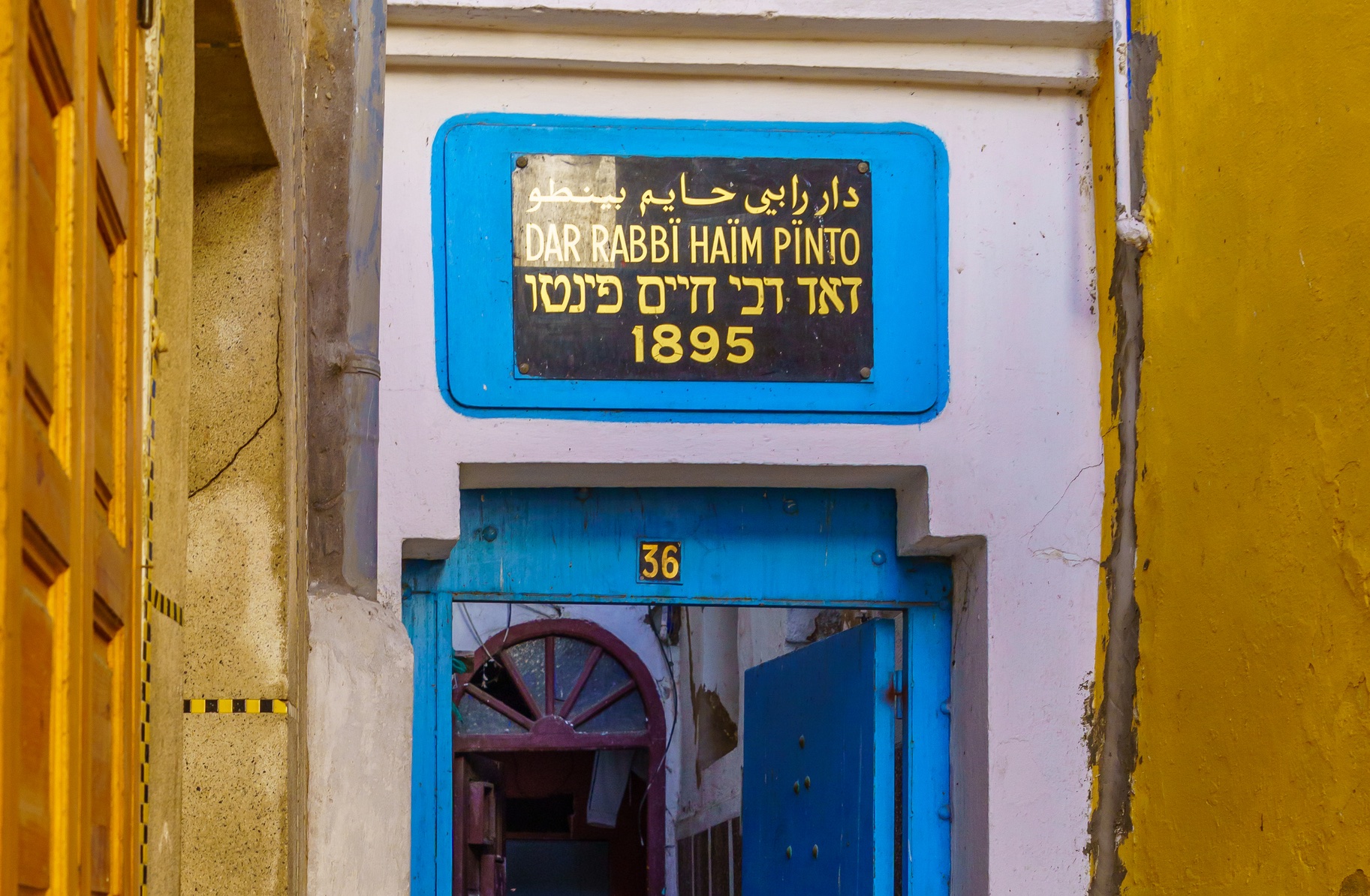
Rabbi Haim Pinto – Essaouira
Rabbi Haim Pinto was the chief rabbi of Essaouira and part of a distinguished rabbinic line. He died in 1845, and his tomb in the old Jewish cemetery became a place of pilgrimage for Jews across the world.
His hiloula falls on 26 Elul, in the autumn. Each year more than two thousand pilgrims fill the old quarter, and the city turns into a centre of prayer, music and shared meals.
Essaouira’s Jewish history is a place of pride among Moroccan Jews. André Azoulay – a native son and senior advisor to the King – founded Bayt Dakira, the House of Memory, which tells the story of the town's Jewish community.
Come for the hiloula, stay for the town. And if you our help to organize a hiloula experience with a visit to Essaouira and other Jewish heritage sites in Morocco, don’t hesitate to get in touch with me and my team.
Rabbi Amram Ben Diwan – Ouezzane
If Pinto is the most beloved, Ben Diwan is the largest. His hiloula is the biggest in Morocco.
He came from the Holy Land in the 1770s to raise funds for the yeshivas of Hebron. Legend says he once disguised himself as a Muslim to pray inside the Cave of the Patriarchs, then fled back to Morocco when he was found out. He died at Ouezzane in 1782.
The tomb sits in Asjen, a village just outside Ouezzane, in the foothills of the Rif. His hiloula falls on Lag BaOmer, in the spring.
What happens there stays with you. Over a thousand pilgrims pitch tents around the grave. A fire burns beneath a great olive tree that, so the story goes, never burns away. Pilgrims toss white candles onto the bonfire and call on the rabbi's healing power.
In my own work as a Jewish heritage tour provider, I will often recommend a journey to Ouezzane after visiting the Fes Mellah. Pilgrims who come to Fes travel north to Ouezzane, because the two sit within reach of each other – and because Ben Diwan is worth the road.
Rabbi Yehuda Ben Attar – Fes
Rabbi Yehuda Ben Attar was a Fes goldsmith who became the city's Av Beit Din, the head of its rabbinic court, in 1698. He worked with his hands his whole life and took no payment for his rabbinic duties.
Do not confuse him with the Ohr HaChaim – Rabbi Haim Ben Attar – who left Morocco for Jerusalem and lies buried on the Mount of Olives. Our Ben Attar stayed, and lies in Fes.
The legend that defines him is the lions' den. A governor, so the story runs, had him thrown to starved lions; a day and a night later he walked out untouched. His tomb is known by the lion carved into the stone.
He issued taqanot – community decrees – and one of them curbed the ruinous overspending on weddings. There is a quiet symmetry in that, for a man now honoured at a festival whose very name means "wedding."
His hiloula is held each June, preceded by a ceremony at the Talmud Torah synagogue. It is the most intimate of the three – hundreds rather than thousands, scholarly in feel, deep in the old city.
You'll want to walk the Fes Mellah, the old Jewish quarter, while you're there.
What Other Famous Hiloulot Take Place in Morocco?
Beyond these three, three more hiloulot are worth your time:
- Rabbi David u-Moshe in the Atlas foothills, long sought for healing and protection
- The extraordinary "hiloula of the hiloulot" in Meknes, which honours ten saints in a single night
- Rabbi Yahia Lakhdar at Ben Ahmed, near Settat.
When Do Moroccan Hiloulot Take Place?
Each hiloula falls on the Hebrew anniversary of the tzadik's death, so the dates shift against the Gregorian calendar. Ben Diwan's is Lag BaOmer in spring, Ben Attar's in June, and Pinto's on 26 Elul in autumn. Many smaller hiloulot run through the year.
There is no single hiloula season. Because each one tracks a Hebrew date, the three great pilgrimages spread themselves across the year – spring, early summer, autumn – and you plan your visit around the one you want.
Ben Diwan's Lag BaOmer date is the anchor most people know. Lag BaOmer is the same spring day on which Jews mark Rabbi Shimon bar Yochai at Meron, and it falls thirty-three days after Pesach.
Ben Attar follows in June. Pinto closes the year on 26 Elul, weeks before Rosh Hashanah.
My advice, drawn from planning these trips: fix the hiloula first, then build the rest of the journey around it. A hiloula is not a date you can move, and arriving a day late means arriving a year late.
Can Tourists and Non-Jews Attend a Hiloula?
Non-Jewish visitors are welcome at Moroccan hiloulot, which have long been shared events. Muslims attend, officials represent the King, and the tradition mirrors the Muslim moussem. Dress modestly and show respect at the tomb.
This is the question I'm asked most, and the honest answer is that you'll be received as a guest.
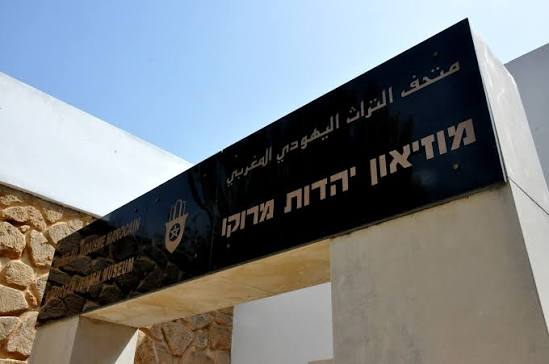
Morocco is unlike anywhere else in the region for this. It is one of very few Arab countries that never expelled its Jews, and the only one with a Jewish museum. During the Second World War, King Mohammed V refused to enforce the Vichy race laws, telling Jewish leaders they and their property stayed under his protection.
That welcome runs deeper than politics – it runs through faith itself.
Jews and Muslims here share the same instinct to honour saints at their tombs. Muslims call theirs a moussem or ziyara, held at the domed white marabout shrines, and the rites echo the hiloula almost exactly. Muslims have even come to pray at Jewish tzadikim's graves, trusting in their baraka – their blessing.
You'll often find a Governor or Caid at the ceremony, present as the King's representative – a public sign that these gatherings belong to Morocco, not apart from it.
A few words on etiquette, from experience. Dress with modesty, keep a respectful quiet at the tomb, follow the lead of the family hosting you, and leave the politics of the wider region at the door. Do that, and the warmth you meet will outrun anything you expected.
Only around two thousand Jews still live in Morocco, most of them in Casablanca. If that surprises you, it's worth reading how many Jews live in Morocco today and the Jewish history of Casablanca for the fuller story. Small as the community is, the hiloulot keep drawing its scattered children back.
Experience a Living Hiloula With Shin Tours
For over twelve years I've organized private Jewish heritage tours in Morocco, and nothing moves people like standing at a tzadik's tomb during a hiloula – candles lit, the crowd singing.
This is no museum piece. Pilgrims from Israel, France, Canada and the US return year after year to Essaouira, Ouezzane and Fes to pray, feast and reconnect. My team and I know these sites and their rhythms – when each hiloula falls, how to attend with respect, and how to build a trip around one.
Request a free custom itinerary, and you'll get:
- A tailored plan timed around the hiloula and the pilgrimage sites that matter most to you
- A personal call with me to talk through your trip
- A sample itinerary to review before you commit to anything
The hiloulot are where Morocco's Jewish story is still being written – living pilgrimages, still drawing thousands.
Request your free custom itinerary, and let's plan a journey into a heritage that's still very much alive.
Asaf Peled
Asaf Peled began operating Jewish tours as a registered guide in Israel in 2012, before founding Shin Tours in 2018 and opening up Jewish heritage tours in the Middle East, North Africa and Europe.