Is There Kosher Food in Morocco?
Yes, kosher food in Morocco is real and reliable in three cities. Casablanca leads, with the most restaurants, bakeries and a working kashrut authority. Marrakech and Fes follow. Beyond these, kosher dining thins out fast, so plan around the cities where Jewish communities remain.
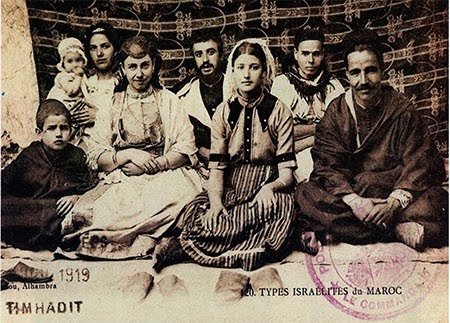
Morocco once held one of the largest Jewish communities in the world. Today roughly 2,000 to 3,000 Jews remain, most of them in Casablanca's Jewish community, the industrial capital. That history matters for your plate. Where a community lives, kosher food follows.
Casablanca gives you the widest choice by far. You'll find meat restaurants, a dairy bagel bar, kosher bakeries and Chabad-run Shabbat meals within a short walk of each other. Marrakech comes next, with a cluster of kosher restaurants near the old Jewish quarter. Fes has fewer options but keeps at least one dedicated kosher restaurant and a community centre that will cook for you.
One point matters more than any restaurant name – kashrut in Morocco is not regulated the way it is in Israel or the United States. Many places serve kosher food without displaying a formal hechsher, so an observant traveller should confirm each venue's supervision before eating.
The reassuring part is that supervision does exist where it counts. Casablanca has its own body, the Casablanca Kashrut Commission (CCDC), which certifies most of the city's kosher restaurants. Some venues carry the Orthodox Union (OU), and Chabad supervises others directly.
Outside these three cities, treat kosher dining as the exception. Historic Jewish towns like Essaouira and Tangier have beautiful synagogues, but no dependable kosher restaurants today. For anywhere off the main route, you arrange meals ahead – through a community, a Chabad house, or a guide who knows the ground. If you're building a wider trip, our guide to the best Jewish sites in Morocco maps where those communities sit.
Where to Find Kosher Restaurants and Meals in Morocco?
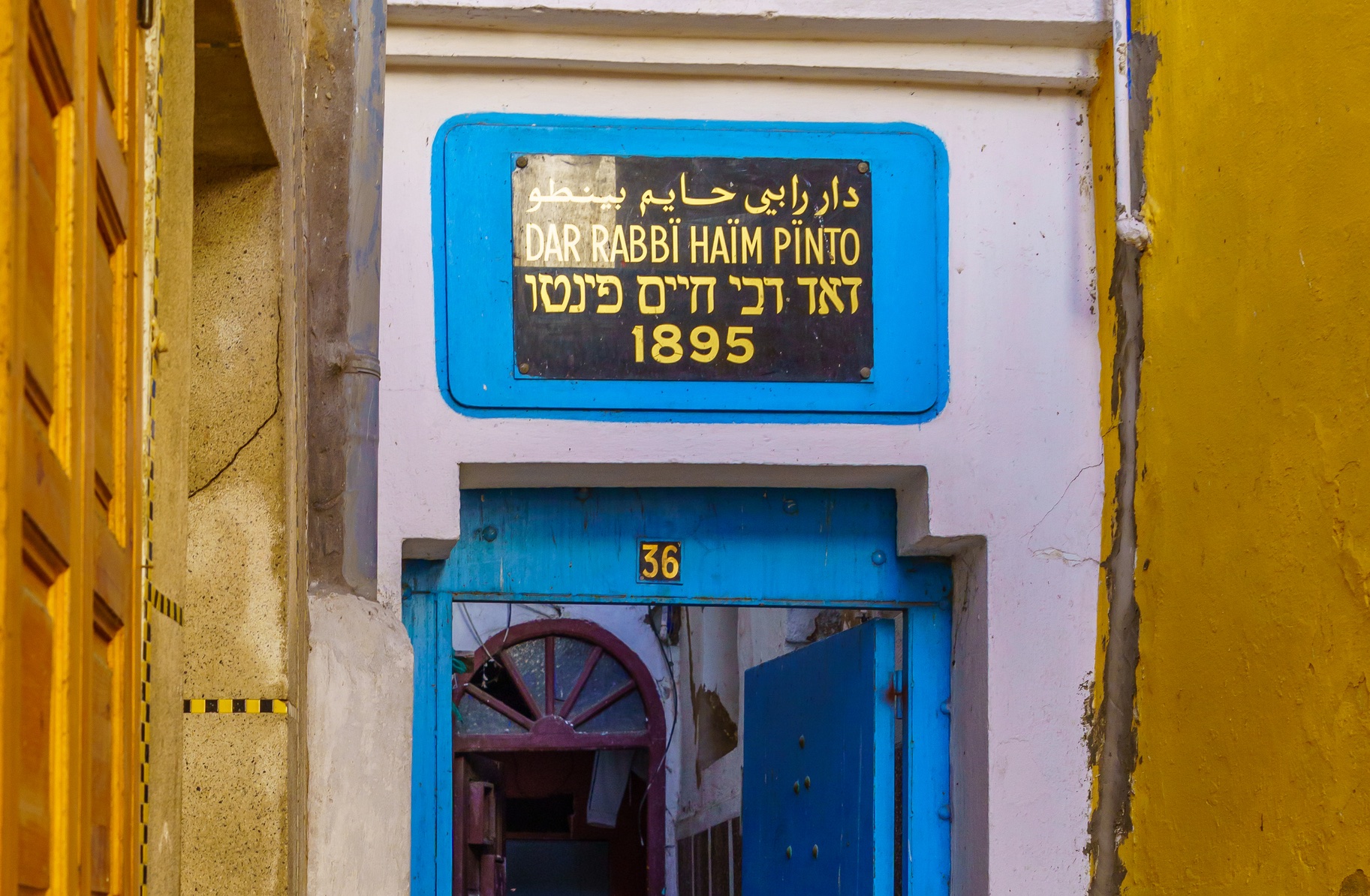
Kosher restaurants in Morocco cluster in Casablanca, Marrakech and Fes. Casablanca holds the most, from meat restaurants to a bagel bar and bakeries. Marrakech centres on Dar Ima and Wasabi near the mellah. Fes keeps Dragon Kosher plus a community centre that cooks to order.
Casablanca is your strongest base. Alongside the venues below, the city has Bagel Bar (Morocco's only kosher bagel bar, dairy), Madame Fhal Bakery (challah, babka and rugelach since 1930 – ideal for Shabbat provisions), and Restaurant du SOC / Chez David. In Marrakech you'll also find Al Dente (dairy, pizza and pasta) and Axo at the Atlas Asni Hotel (Glatt meat and Cholov Yisrael dairy, with half-board and Shabbat meals).
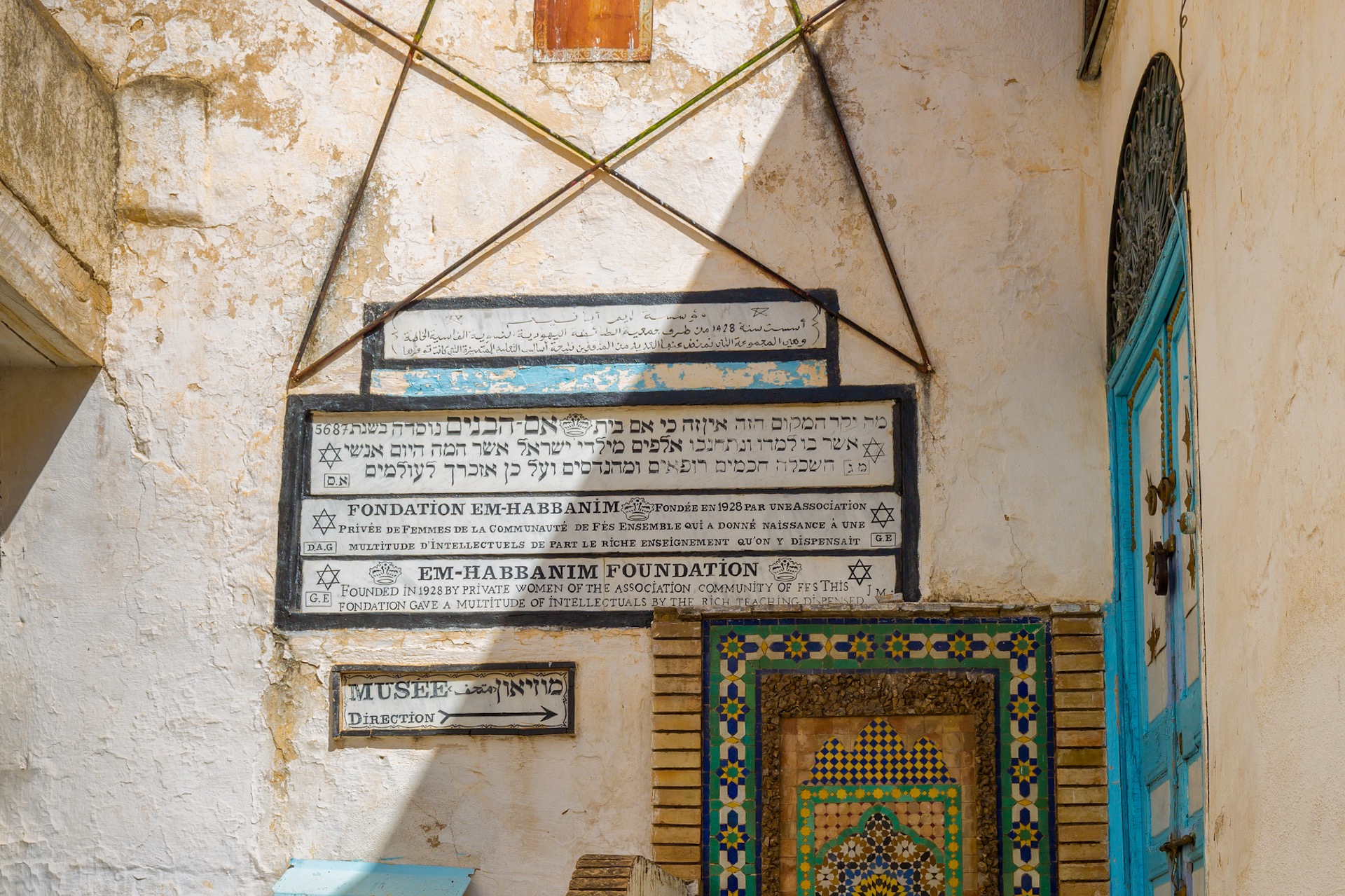
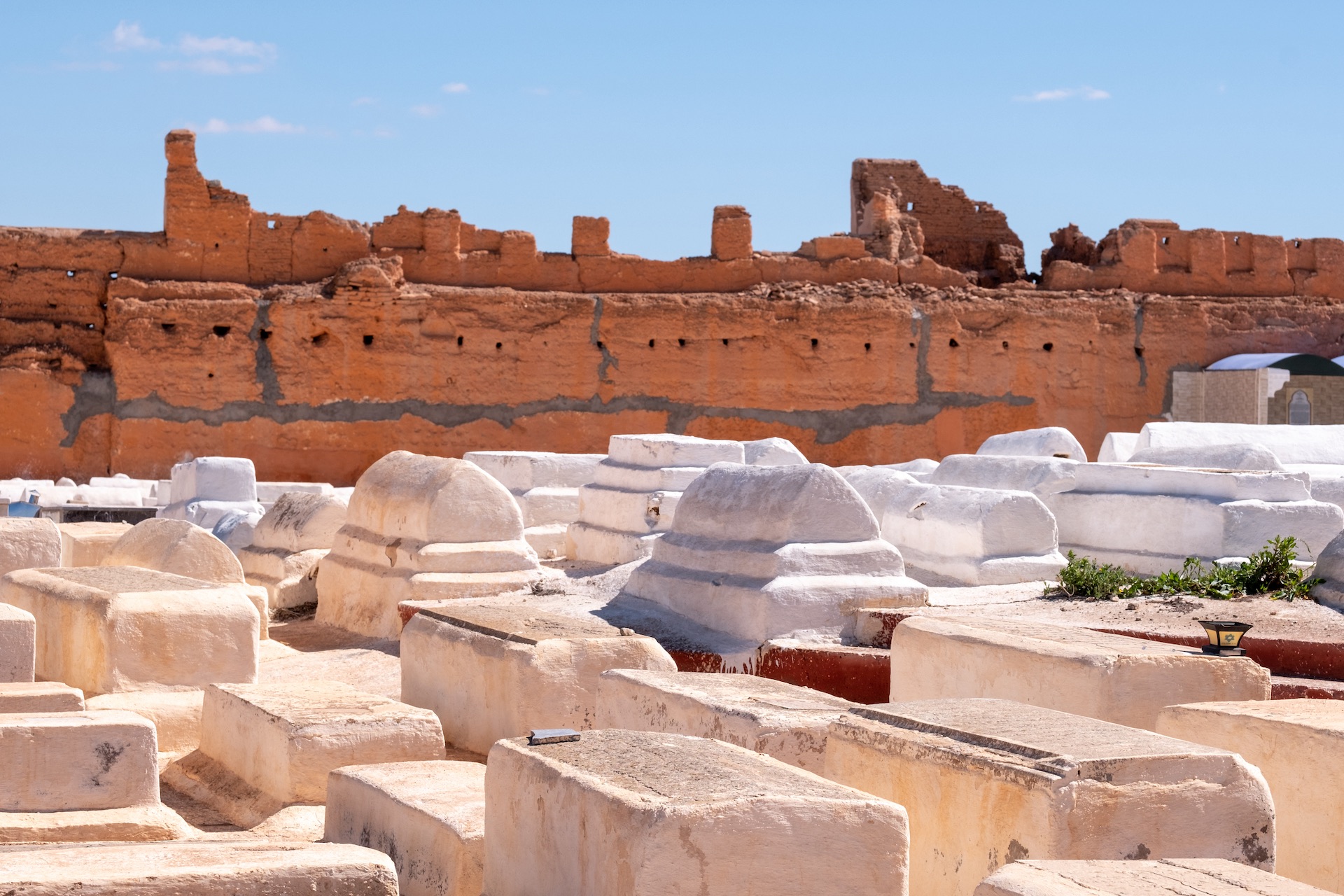
The table below sits close to Marrakech's Mellah and the Fes Mellah, where several of these restaurants trade.
| City | Kosher venue | Meat/ Dairy | Notes (supervision; Shabbat; booking) |
|---|---|---|---|
| Casablanca | Cercle de l'Union | Meat | CCDC; leading kosher restaurant, catering and takeaway; in the Golden Triangle |
| Cercle de l’Alliance | Meat & Parve | CCDC; club-style Moroccan and Mediterranean; takeaway available | |
| Chez Michel | Meat | CCDC; inside the CCJC community centre | |
| Le Chandelier | Dairy & Meat | OU; Shabbat meals by advance reservation; in Hotel Le Palace d’Anfa | |
| Marrakech | Dar Ima | Meat | Jewish-Moroccan cuisine; builds bespoke Shabbat meals |
| Wasabi | Meat & Parve | Chabad; kosher Asian and sushi; near the Mellah | |
| Chez Abehssera | - | - | |
| Fes | Dragon Kosher | Dairy & Meat | OU; in Hotel Palais Medina & Spa; Shabbat meals by reservation |
| Centre Maimonides | Meat & Parve | Only dedicated kosher restaurant in Fes; open mainly on Shabbat · book ahead | |
| Sholom Alyakhim | – | – |
Kosher restaurants across Morocco's three main cities, with kitchen type and practical notes.
In Fes, plan ahead rather than turn up hungry. Dragon Kosher is the dependable option, while Centre Maimonides opens mainly on request. The Fes Jewish Community Center will also grill meat and pack salads for you to take back to your riad.
Supervision varies by venue, so read the notes column as a starting point, not a guarantee. When kashrut standard matters to you, confirm it directly with the restaurant or with the community before you book.
What Kind of Kosher Food Will You Find in Morocco?
Kosher food in Morocco is Moroccan-Jewish cuisine – Sephardic cooking shaped over centuries. Expect slow-cooked tagine, couscous, sweet-savoury pastilla and the Sabbath stew dafina. Fish in spicy chermoula, preserved lemons and harissa run through the flavours. It is rich, generous and built around Shabbat.
This food carries a story. Much of what the world now calls Moroccan cuisine arrived with Sephardic families expelled from Spain in 1492, who brought their recipes to cities like Fes and Marrakech. You can read the fuller history in our piece on the Sephardic Jews of Morocco. Here, the focus stays on the plate.
The Sabbath table is where Moroccan-Jewish cooking shines. Dafina – also called skhina – is the Moroccan cholent, a stew left to cook overnight and eaten at Shabbat lunch. It anchors the week's most important meal.
The dishes below are the ones worth seeking out.
| Dish | What it is | Typical occasion |
|---|---|---|
| Tagine | Slow-cooked stew of meat and seasonal vegetables, layered with spices | Everyday and Shabbat |
| Couscous | Steamed semolina with vegetables and meat, often the centrepiece | Friday night and Shabbat lunch |
| Dafina (skhina) | Overnight Sabbath stew – the Moroccan cholent | Shabbat lunch |
| Pastilla (b'stilla) | Sweet-savoury filled pastry with cinnamon, almonds and sugar | Weddings and celebrations |
| Fish in chermoula | Fish in a spicy herb, garlic and pepper marinade | Shabbat starter |
| Mufleta | Thin crepe-like pancake served with butter and honey | Mimouna, the day after Passover |
Signature Moroccan-Jewish dishes you'll meet in kosher restaurants and Shabbat meals, and when they typically appear.
Restaurants like Dar Ima in Marrakech serve much of this range – tagine, couscous, pastilla and grilled fish – and even pair Shabbat meals with Moroccan kosher wine. You'll also meet briouats, small stuffed pastries, and the preserved lemons and harissa that give the cooking its edge.
Come hungry. Moroccan-Jewish hospitality tends toward a full spread of salads and starters before the main dish even arrives.
How Do You Arrange Kosher and Shabbat Meals in Morocco?
Kosher and Shabbat meals in Morocco are arranged mainly through Chabad, especially in Casablanca and Marrakech. Both run Shabbat meals that require advance registration. Book well ahead, and stay within walking distance of the Chabad house or synagogue so you can reach your meals on Shabbat.
Chabad is the backbone of Shabbat dining in Morocco. In Casablanca and Marrakech, the Chabad houses serve Shabbat meals and keep current lists of kosher food in each city. You register in advance – this is not a walk-in arrangement.
Where you stay decides whether the plan works. Because you cannot drive on Shabbat, book a hotel or riad within walking distance of the Chabad house or a synagogue. In Marrakech, that means lodging near the Mellah or Gueliz; in Casablanca, near the Chabad house downtown.
Several restaurants also prepare Shabbat meals to collect before candle-lighting. Le Chandelier and Dragon Kosher take Shabbat reservations, and Dar Ima will build a meal around your choices of salads, fish and meat.
For the map of communities and where to daven, our overview of synagogues and Chabad centres in Morocco covers the detail. The essential move is simple: arrange your Shabbat meals before you arrive, not once you're there.
How Do You Get Kosher Catering on a Jewish Tour of Morocco?
Kosher catering on a Jewish tour of Morocco is handled by your tour operator, not by you. A specialist arranges full kosher board – three meals a day, with Shabbat covered – using relationships with kosher restaurants, Chabad houses and suppliers across Casablanca, Marrakech and Fes. You travel; the meals follow.
Here is where a guided trip changes the experience.
In our work with Jewish travellers, the hardest part of keeping kosher in Morocco is not availability – it's logistics. Meals sit in three cities; your itinerary moves between many.
On the tours we run, kosher meals are planned around the route, not left to chance. Breakfast, lunch and dinner are arranged in advance, food is brought to you where restaurants don't reach, and Shabbat is handled from candle-lighting to havdalah.
That is the difference between hoping a town has a kosher restaurant and knowing your next meal is already booked. It also frees you to visit remote sites – a rabbi's tomb, a mountain community – without wondering how you'll eat that night.
If keeping kosher without the planning appeals, that's exactly what we build into every itinerary at Shin Tours.
Frequently Asked Questions
Is Morocco friendly to Jewish and kosher travellers?
Morocco is one of the most welcoming countries in the world for Jewish travellers. Many Moroccans regard Jews as part of the country's own history, and the king has funded restoration of synagogues and cemeteries.
For the fuller picture, see whether it's safe for Jewish travellers in Morocco.
Can you keep kosher while travelling in Morocco?
Yes, with a little planning.
In the three main cities you can eat at kosher restaurants directly. Elsewhere, travellers often bring a pot for the riad kitchen to cook in, buy fruit and vegetables, and rely on local bread, which is widely considered kosher. Milk is generally kosher too, though not Cholov Yisrael.
Are there kosher supermarkets or shops in Morocco?
Kosher shops exist but are limited. Marrakech has a kosher grocery, Chez Michel, and Casablanca has kosher bakeries and grocers such as Madame Fhal Bakery, Elbaz Bakery and the Sucre Salé grocery. Caterers like David Ohana serve multiple cities.
Do you need to book kosher meals in advance?
For Shabbat and for Fes, yes. Chabad Shabbat meals in Casablanca and Marrakech require advance registration, and Fes' Chez Maimonides opens mainly on request. Weekday meals in Casablanca and Marrakech are easier, but booking ahead is always the safer approach.
Keep Kosher in Comfort on Your Moroccan Journey With Shin Tours
I'm Asaf Peled, the founder of Shin Tours, and after organizing tours in Morocco for Jewish families since 2018, the question I hear most is whether you can eat well and keep kosher across a whole trip.
The answer is you can.
My team builds trips around the kosher restaurants, Chabad houses and trusted suppliers in Casablanca, Marrakech and Fes – Shabbat included, start to finish.
Request a free custom itinerary and you get:
- A tailored itinerary with kosher dining and Shabbat arrangements mapped out
- A personal call with me to talk through your trip and dietary needs
- A sample itinerary to review before you commit
Request your free custom Morocco itinerary and let's plan a trip where every meal is taken care of.