You can cross Venice’s Jewish ghetto in a few minutes and leave having seen almost nothing. Its synagogues are easy to miss from the street, and some of Jewish Venice’s best stories sit outside the ghetto entirely.
The Jewish sites worth seeing in Venice center on the ghetto in Cannaregio: five historic synagogues, each built by a different community, the Jewish Museum of Venice and Arbit Blatas’ Holocaust memorials. Beyond the ghetto, the Lido Jewish cemetery dates to 1386.
Here’s what each site holds, and how to see it at its best.
What makes Venice's Jewish ghetto worth visiting?
Venice’s Jewish ghetto is worth visiting for its story. From 1516 to 1797, Venice confined its Jews here, behind gates locked at night and guarded by Christian watchmen the community paid. Separate Jewish communities lived and prayed side by side in a few square meters.
The order came from the Venetian Senate in 1516. Its decree required Jews to live together in one small area of the Cannaregio district.
The name carries its own history. The Jewish Community of Venice traces the word “ghetto” to the copper foundry, or getto, that once stood on the site. Scholars have proposed other origins too.
Life inside ran on a curfew. The gates shut every night, and the community had to pay the Christian watchmen who guarded them.
That lasted almost three centuries.
In 1797, Napoleon’s troops toppled the Venetian Republic. The ghetto gates came down, and Venice’s Jews became citizens.
For Lucia, our lead for Italy and a former guide, the draw is the story. Many distinct communities lived side by side here, in a few square meters, each keeping its own traditions.
Venice is one stop on a wider map of the top Jewish sites in Italy, and it rewards a slower look than most.
How did the ghetto grow beyond its first island?
The ghetto grew in three stages, and each area kept its own name:
- Ghetto Nuovo, 1516: the first area of confinement
- Ghetto Vecchio, 1541: granted to Levantine Jews, subjects of the Ottoman Empire
- Ghetto Novissimo, 1633: a small extension beside the Ghetto Nuovo
The names trip people up. As Lucia points out, the ‘new’ ghetto is older than the ‘old’ one.
Space stayed tight as each area filled. Residents built upward, and the ghetto’s buildings rise taller than most in Venice.
You can still read the layout on the ground. The Ashkenazi and Italian synagogues face Campo del Ghetto Nuovo. The Levantine and Spanish synagogues stand on Campiello delle Scole.
Walking between the three areas takes minutes. In that short walk, you cross more than a century of history.
Which Jewish stories does Venice tell outside the ghetto?
Some of Jewish Venice’s stories sit beyond the ghetto. Venice’s Jewish heritage guides tell them as you walk through the city.
Doña Gracia Nasi is the first. She lived in Venice in the 1540s. The Venetian authorities moved against her over the family fortune and on suspicion of secretly practicing Judaism. She eventually left the city.
Her story didn’t end there.
With her nephew Joseph Nasi, the family later secured rights from the Ottoman sultan to resettle Tiberias. I see Doña Gracia as an early visionary of Jewish autonomy in the Land of Israel.
The second story lies across the lagoon, on the Lido. Its Jewish cemetery was founded in 1386, on land the Republic granted to the Jews. That makes it older than the ghetto by more than a century.
It’s usually closed to the public. It opens for guided visits on set dates, so a visit takes planning ahead.
Which synagogues in the Venice ghetto can you visit?
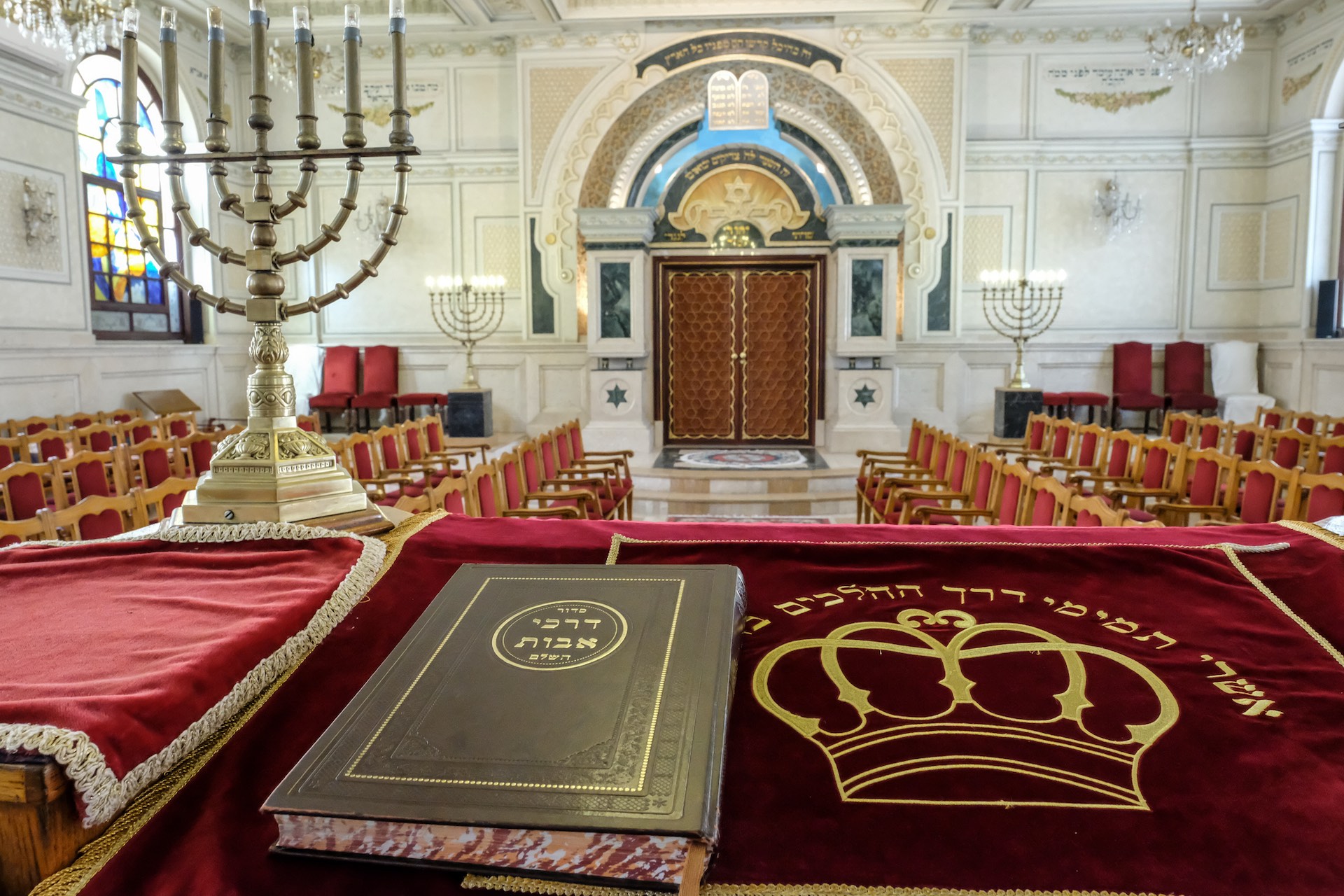
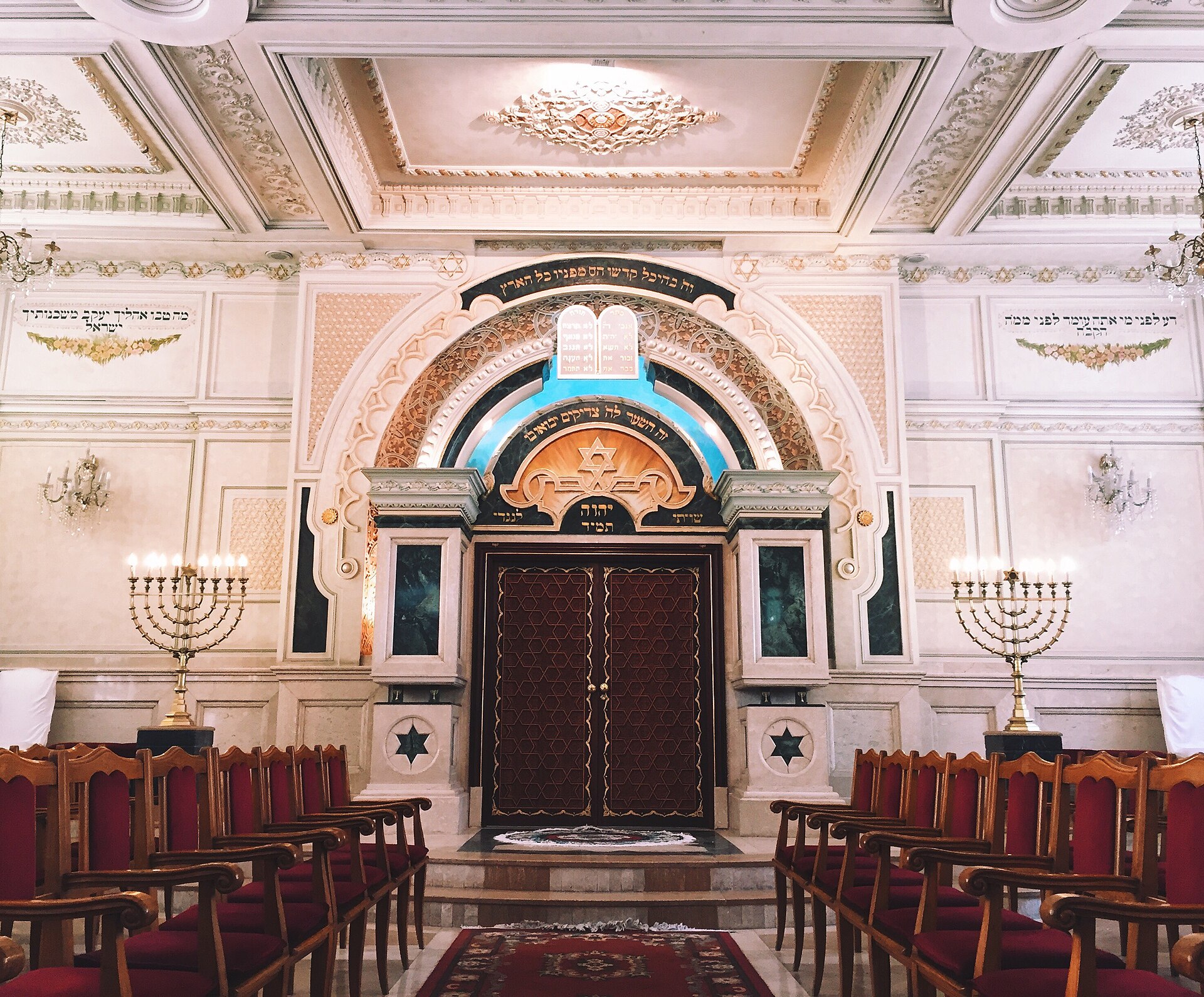
Visitors can see five historic synagogues in the Venice ghetto: the Scola Grande Tedesca, Scola Canton, Scola Italiana, Scola Levantina and Scola Spagnola. A booked guided visit includes some of them, and all five open on an advance written request.
The ghetto’s five historic synagogues, each built by a different community.
| Synagogue | Community it served | Where | What sets it apart |
|---|---|---|---|
| Scola Grande Tedesca | Ashkenazi | Campo del Ghetto Nuovo | The Jewish Community of Venice calls it the city’s oldest synagogue (c. 1528) |
| Scola Canton | Ashkenazi | Campo del Ghetto Nuovo | The second Ashkenazi synagogue on the same square |
| Scola Italiana | Jews of Italian origin | Campo del Ghetto Nuovo | Normally closed; opened by arrangement |
| Scola Levantina | Levantine Sephardim | Campiello delle Scole | The community holds Shabbat and holiday services here in winter |
| Scola Spagnola (Ponentina) | Spanish and Portuguese Sephardim | Campiello delle Scole | The community holds services here in summer |
You can book a guided ghetto and synagogue visit online through the organization that manages the ghetto and its museum; a standard visit is a guided tour that includes some of the synagogues.
Seeing all five takes a specific advance request to the community.
Keep your eyes open as you walk, because from the street the synagogues are easy to miss.
Can you see all five synagogues?
You can see all five synagogues if you ask the right way. Lucia’s advice is simple: ask in writing, in advance, and name all five.
The easiest route is to make the request as part of a Jewish heritage tour. In Lucia’s words, once you’ve asked, it’s “really not difficult.”
Naming each synagogue matters – which ones a standard visit includes can change, so a request for ‘the synagogues’ may get you only some of them. However, a request listing the Scola Grande Tedesca, Canton, Italiana, Levantina and Spagnola leaves no room for doubt.
It’s worth the effort. Each synagogue served a different community, so seeing all five lets you follow the whole story rather than a sample of it.
When we plan Jewish Venice for our travelers, we make that request as part of the itinerary, so you arrive with access already in place.
What makes them worth seeing if they’re so small?
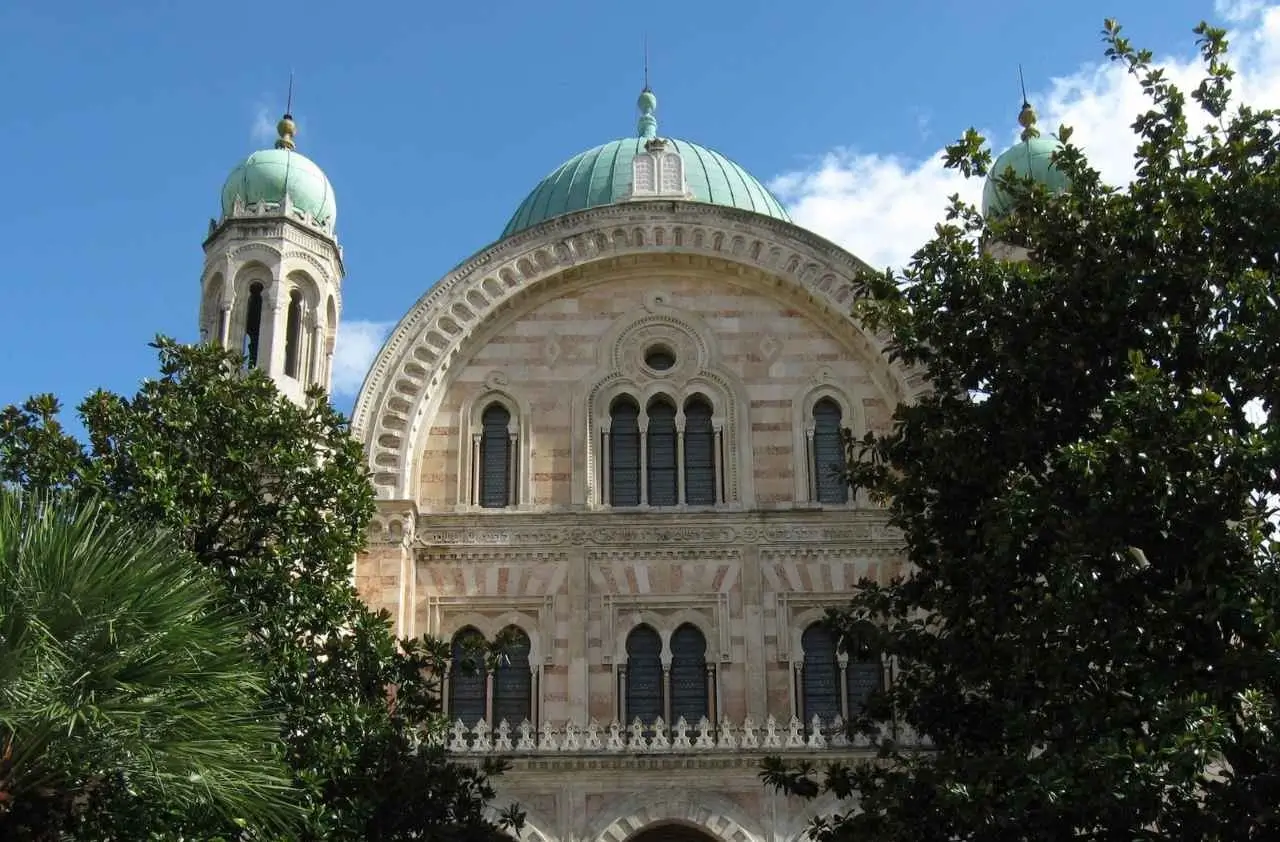
The story is the draw; next to the Great Synagogue of Florence or the synagogues of Rome, Venice’s synagogues are small in scale.
Lucia sees their value in what surrounds them: separate communities, each with its own rite, prayed within a few steps of each other.
Think about what that meant. Ashkenazi, Italian, Levantine, and Spanish and Portuguese Jews each built their own house of prayer. They did it around two small squares, inside a district locked every night.
Stand in Campo del Ghetto Nuovo, and three of the five sit around you. Walk a few minutes to Campiello delle Scole, and you reach the other two.
No grand building tells that story. Five small ones, side by side, do.
How does the ghetto remember the Holocaust?
The Venice ghetto remembers the Holocaust in Campo del Ghetto Nuovo, where Arbit Blatas’ bronze reliefs commemorate the Shoah. His work, The Last Train, is on the wall of the community’s former old people’s home on the same square.
The Jewish Museum of Venice records 246 Venetian Jews deported in 1943–44.
Each belonged to a community that had lived in Venice for centuries. The memorials keep their absence visible in the square where three of the ghetto’s synagogues still stand.
Blatas’ reliefs commemorate the Shoah in bronze. The Last Train sits close by, on the wall of the building that once cared for the community’s elderly.
You’ll pass both on any visit to the Ghetto Nuovo.
Give yourself a few minutes with them; seeing the synagogues first gives the memorials their weight, because by then you’ve met the communities they honor.
Who was Giuseppe Jona?
Giuseppe Jona was a physician and the president of the Jewish Community of Venice.
In September 1943, after the German occupation, he took his own life rather than hand over the list of the community’s members.
You can read CDEC’s record of Giuseppe Jona in the digital library of Italy’s Center for Contemporary Jewish Documentation.
We include his story on our Venice Jewish tour; it belongs beside the reliefs and the deportation record: one person, one decision, one name.
When is the best time to see Jewish Venice?
The best time to see Jewish Venice is the afternoon or evening, when day-visitor crowds thin out and the ghetto grows calmer. To catch that calm you want to stay overnight in central Venice, close enough to walk over once the day-trippers have gone – which matters most in the summer crowds.
Venice is hit or miss. Day visitors converge on the same spots at the same hours, and the city can feel overrun.
Come to the Jewish quarter later in the day; the square settles, and you can take in the synagogues and memorials at your own pace.
In summer, where you sleep shapes your whole trip: a hotel inside Venice, within walking distance of the ghetto, lets you step out once the day visitors have left and have the square to yourself. Base yourself out on the mainland to save money and you’re back to visiting in the daytime, with the crowds and none of the calm.
End one day on the water: take a sunset gondola ride, tip the gondolier well, and he may sing for you.
Getting this timing right is what our Jewish heritage tours of Italy are built around. We plan around the crowds, so you don’t have to fight them.
Is Venice worth visiting during carnival?
Venice is worth visiting during the carnival if it’s arranged properly.
Rates climb very high, and the city is packed. Every hotel, gondola and restaurant table is in demand at once.
But the masked parties are a joy.
The difference lies in the arrangements: a party you can actually get into, a room you booked before rates peaked, and a plan that works around the crush make the experience something to remember rather than endure.
We can arrange it for you.
Is a guided Venice Jewish ghetto tour worth it?
A guided Venice Jewish ghetto tour is worth it for access and context. The standard ghetto visit is already a guided tour that includes some of the synagogues. Seeing all five takes an advance written request, which we can make for you.
Context is where a guide earns their place: the ghetto is small, and its stories sit in details you’d walk past alone.
Our Venice Jewish tour includes the story of Giuseppe Jona, along with the communities behind each synagogue. Those stories are what turn a short walk into the reason you came.
Our guides are local, registered and hand-picked. I visit Italy at least once a year to test them, along with the hotels and restaurants our travelers use.
A guide also handles timing: they can bring you into the ghetto in the calmer afternoon and evening hours, when the square is at its best.
What is Shabbat in Venice like for observant travelers?
Shabbat in Venice suits observant travelers because the city is walkable and car-free. Venice also has an eruv, its boundary formed largely by canals. During acqua alta, the high water that floods parts of the city, the eruv is no longer valid.
We schedule observant travelers to spend Saturday in Venice. With no cars and every journey on foot, the day keeps its own pace.
Friday night is settled before you land: we arrange prepaid Shabbat dinners, so nothing needs handling once Shabbat begins.
The eruv depends on the water. If acqua alta is forecast for your dates, check the eruv’s status before Shabbat. The Jewish Community of Venice’s eruv page explains how it works.
Few places combine heritage and observance this easily; you can spend Friday night at a Shabbat table and Saturday morning in a synagogue that has served the community for centuries.
How do you attend Shabbat services in Venice?
Attending Shabbat services in Venice takes advance arrangement with the Jewish Community of Venice. The community prays at the Spanish synagogue in summer and the Levantine synagogue in winter, and visitors send ID ahead for security.
Plan this before you travel, not on arrival.
Contact the community ahead of your dates, and send your ID when they ask for it. The security check is standard, and it takes time.
Both synagogues are among the ghetto’s five historic synagogues and a service lets you see one as its community uses it, which no guided visit can match.
We plan the rest of your Shabbat around the service, from the Friday-night dinner to where you stay.
Where can you stay kosher near the ghetto?
Rimon Place, in Cannaregio, is listed as kosher l’mehadrin by the Jewish Community of Venice.
The ghetto sits in Cannaregio too, so you’ll stay in the same district as the synagogues and the museum.
That matters most on Shabbat, when every place you need is a walk away.
If you’d like a kosher stay arranged as part of your trip, we can build it into your Venice itinerary.
FAQs
Is Ferrara worth a detour from Venice?
Ferrara is worth the detour if Jewish history drew you to Italy. In 1492, Duke Ercole I d’Este invited Jews exiled from Spain to Ferrara, in Emilia-Romagna. The city has a ghetto that dates back to the 1600s, three synagogues in one building, on Via Mazzini, and the National Museum of Italian Judaism and the Shoah.
Lucia would choose Ferrara over Pitigliano for a Jewish heritage detour. Here, you can explore Ferrara’s Jewish history before you go.
Where is the Jewish ghetto in Venice?
The Jewish ghetto is in Venice’s Cannaregio district. You can walk there from Santa Lucia train station in about ten minutes, crossing the Ponte delle Guglie into Cannaregio, or take the vaporetto (water bus) to the Guglie stop, a few minutes from the ghetto entrance.
Is there a Jewish museum in Venice?
The Jewish Museum of Venice reopened on 22 October 2026, after a restoration of roughly seven years that enlarged its exhibition space and brought three of the five ghetto synagogues – the German (Scola Tedesca), the Italian (Scola Italiana) and the Canton – back into the visitor route.
The new route is only weeks old, so it’s too early to say exactly how it changes a standard visit; check when you book. We’ll update this guide once the new visitor route settles.
Why did Jews settle in Venice?
The Venetian Republic needed what Jews could provide: moneylending, tax revenue and forced loans to the state. In 1509, Jews were admitted to the city among refugees from the War of the League of Cambrai. Seven years later, in 1516, a decree confined them to the ghetto.
Planning Jewish Venice with Shin Tours
I don’t lead the walks in Venice myself, I hand-pick local registered guides. I return every year to test the hotels, restaurants and guides before any of our travelers use them.
That’s how we know when the ghetto is at its quietest, how to request all five synagogues, and how to make Shabbat in Venice feel effortless.
If you’re planning a Jewish heritage trip to Italy, we’ll:
- Build you a tailored itinerary through Venice, Rome and Florence.
- Arrange synagogue visits, a kosher stay and prepaid Friday-night dinners.
- Talk it all through with you on a personal call with me.
Browse our Jewish tours of Italy or request a free sample itinerary.

Asaf Peled
Asaf Peled began operating Jewish tours as a registered guide in Israel in 2012, before founding Shin Tours in 2018 and opening up Jewish heritage tours in the Middle East, North Africa and Europe.