Planning a trip to Morocco when you keep Shabbat raises a fair question: can a touring itinerary really accommodate a full day of rest, no travel, and davening with a minyan? The short answer is yes – but only when the week is built around Shabbat from the start, not patched around it afterwards.
Yes, you can keep Shabbat on a tour of Morocco. A well-planned itinerary bases you within walking distance of an active synagogue for Shabbat, finishes Friday’s touring in time to prepare before candle-lighting, and pauses completely on Saturday – resuming only once Shabbat has ended. The key is arranging everything in advance.
Key Takeaways
- Yes – keeping Shabbat on a Morocco tour is entirely workable, provided the itinerary is built around it from the outset.
- The week follows a three-beat rhythm: a shortened Friday for preparation, a full day of rest on Saturday, and a resumption on Saturday night.
- No vehicle travel is possible on Shabbat, so your accommodation must be within walking distance of an active synagogue.
- Casablanca and Marrakech are the practical cities for an observant Shabbat, as they retain active communities and functioning synagogues.
- Minyan availability outside Casablanca can be limited, so confirm times and access in advance.
- Candle-lighting and Shabbat-end times change weekly and by city – check a live source such as Chabad.org or Hebcal.com for your dates.
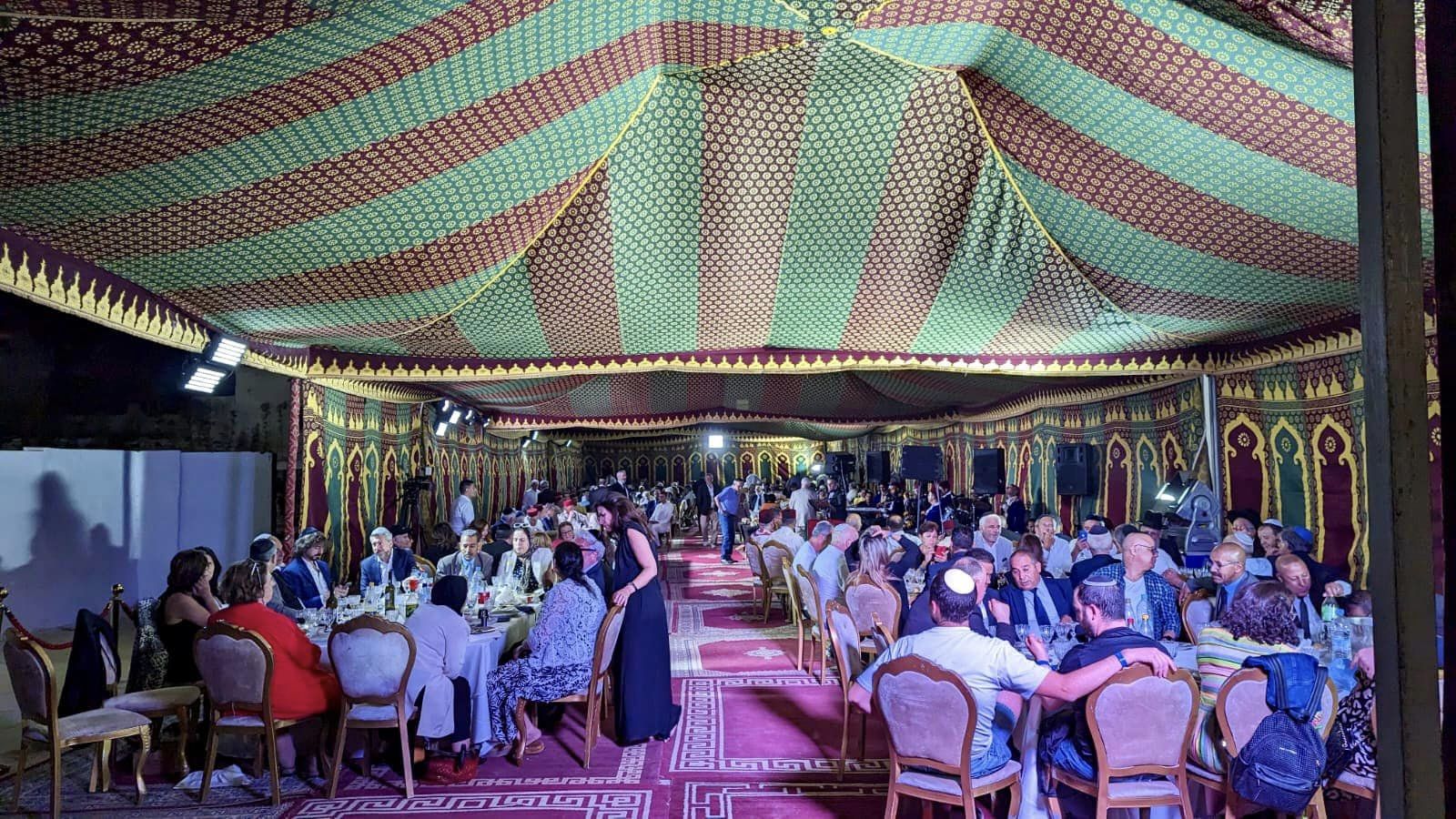
I regularly organize Jewish tours of Morocco for Shomer Shabbat families and travelers. These tours include kosher food and catering, Shabbat prayers at one of the active synagogues in Morocco and a private Shabbat meal with a local jewish family known personally by one of our guides.
Keep reading for more information.
How Does a Morocco Tour Itinerary Work Around Shabbat?
A Shabbat-observant Morocco itinerary follows a predictable three-beat rhythm each week: a shortened Friday for travel and preparation, a full day of rest on Saturday with no touring or transport, and a resumption of the itinerary on Saturday night once Shabbat has gone out. The whole week is sequenced so that nothing you need falls on Shabbat itself.
In practice, that means a Friday's tour wraps up with enough daylight left to reach your accommodation, settle in, and prepare before candle-lighting – the Hachanat Shabbat.
Saturday is left entirely free: no drives between cities, no scheduled sites, no transfers. Motzaei Shabbat (Saturday night) is when the itinerary picks back up, which is also when one of our guides can resume evening activities or the next leg of travel.
The most important step is telling your tour operator early that you observe Shabbat. That one piece of information reshapes the entire itinerary – which city you're in for the weekend, which hotel or riad you're booked into, and how Friday and Saturday are scheduled. A good operator running private Jewish tours of Morocco will treat this as the anchor point the rest of the week is planned around.
Kosher and Shabbat meals are a separate piece of the puzzle, arranged mainly through Chabad and requiring advance booking. Read here for more information on finding kosher food in Morocco.
Can You Travel or Move Around on Shabbat in Morocco?
No – an observant traveler does not travel by vehicle on Shabbat in Morocco, just as anywhere else. Jewish law prohibits vehicle travel on Shabbat and Yom Tov whether or not you are the one driving, so being a passenger in a taxi or tour vehicle is not a workaround. This is exactly why where you are when Shabbat begins matters so much.
Movement on Shabbat is limited to what you can do on foot, within specific bounds:
- Walking is fine, but carrying is restricted. Halacha prohibits carrying objects in a public domain outside an enclosed area (an eruv), so things like keys, a phone, or a tallis bag can't simply be carried through the streets unless a valid eruv is in place. Most Moroccan cities do not have a communal eruv, so plan to carry nothing outside your accommodation.
- There's a limit on how far you can go. You cannot travel beyond roughly one kilometer past the edge of the city (the techum Shabbat) on foot either.
The practical consequence is simple: on Shabbat, you stay at or near your accommodation and the synagogue, and you reach both on foot. Everything you might need – your room, meals, the shul – has to be arranged in advance and within walking distance before candle-lighting, because once Shabbat begins, none of it can be organized, paid for, or driven to.
This isn't a limitation on the trip so much as the reason the itinerary is built the way it is.
Where Do You Spend Shabbat on a Morocco Tour?
The best cities to spend an observant Shabbat in Morocco are Casablanca and Marrakech, because these are where active Jewish communities and functioning synagogues remain. For a shomer-Shabbat traveler, "where to spend Shabbat" really means "where can I stay within walking distance of a working shul with a Shabbat minyan" – and that narrows the field considerably.
Casablanca is the center of organized Jewish life in Morocco, home to rich Jewish history and the largest Jewish community (around 1,000 people) with synagogues, kosher restaurants and Chabad houses. It's the most reliable choice for a Shabbat where you want an established community around you.
Marrakech is the other strong option, and a popular one for tours: a riad in or near the old Jewish quarter (the mellah) can put you just a short walk from a synagogue, which is precisely the arrangement observant travelers look for. Its community is smaller (around 250), but the concentration around the mellah makes walking-distance Shabbat lodging genuinely workable.
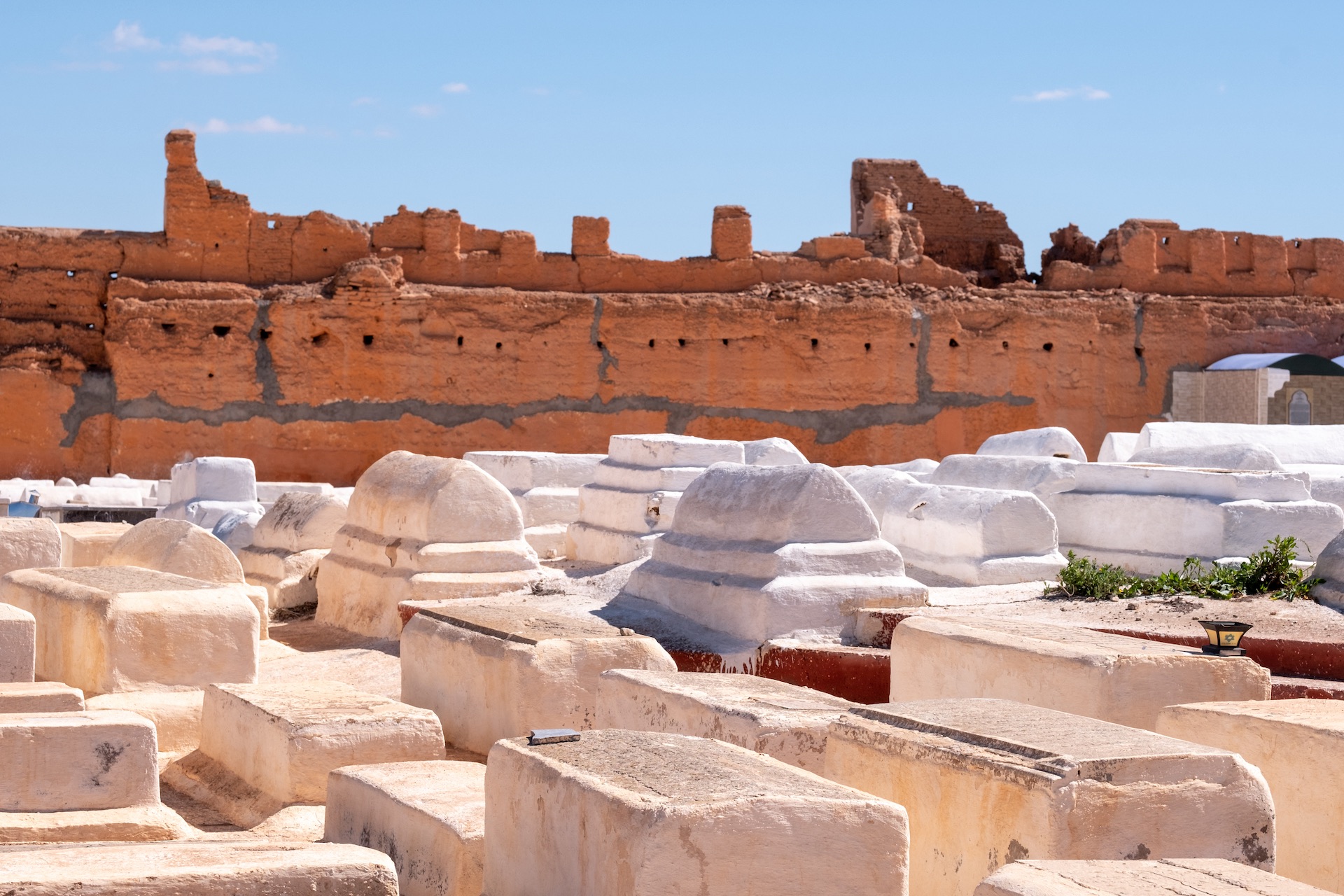
Cities with rich Jewish heritage but no active community – Essaouira being the most notable – are wonderful to visit during the week, but they are heritage stops rather than places to spend an observant Shabbat, as they no longer sustain a regular minyan.
Base your weekend in Casablanca or Marrakech, and see the heritage cities on touring days. For a fuller picture of where Morocco's Jewish communities are concentrated today, including the city-by-city breakdown, see our dedicated guide.
Where Can You Daven and Find a Minyan on Shabbat in Morocco?
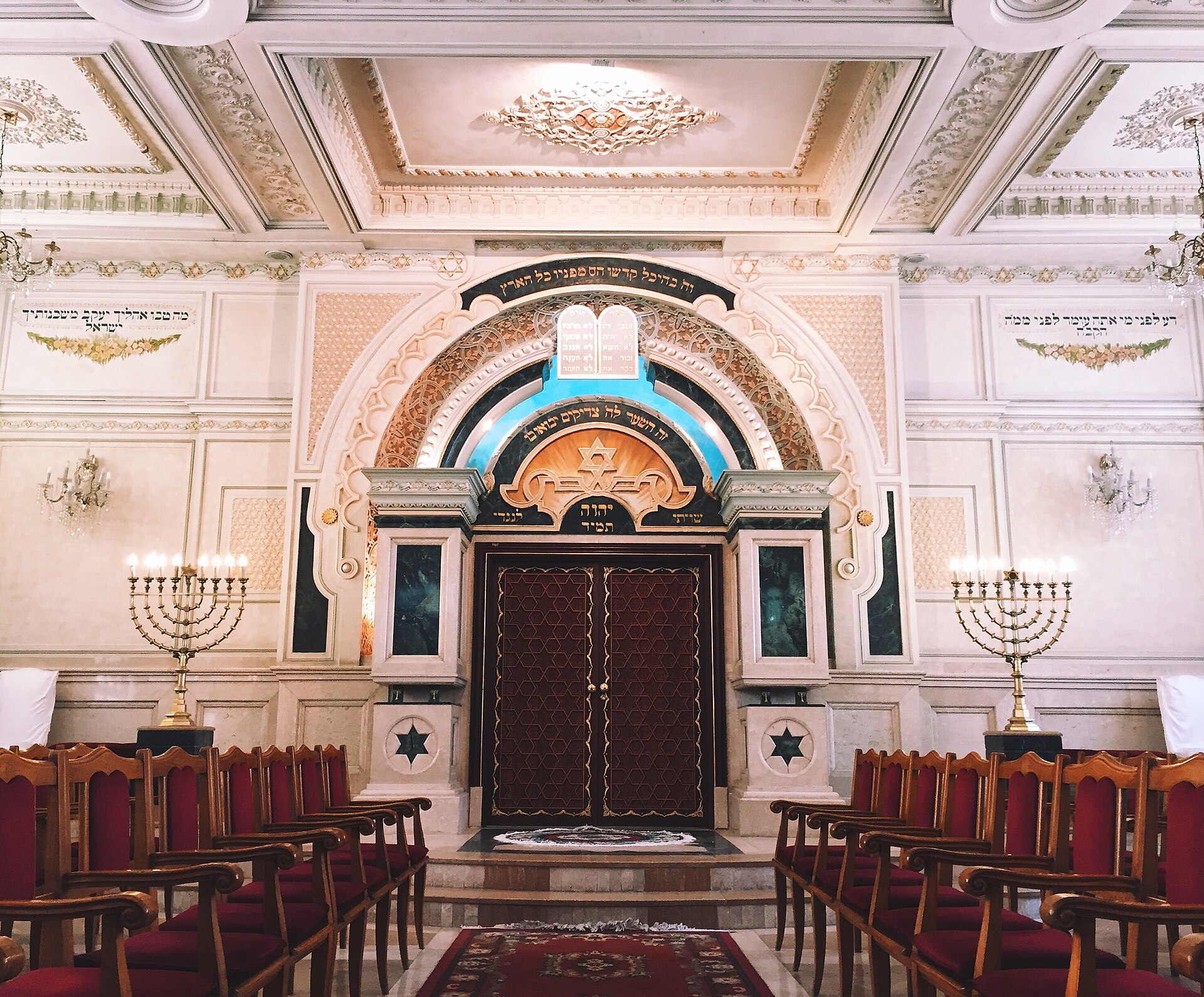
You can daven with a minyan on Shabbat most reliably in Casablanca and Marrakech, where active synagogues still hold services. Casablanca, as the community hub, offers the most consistent options – Marrakech's synagogues near the mellah are the practical choice for tour-based travelers staying nearby.
One thing to plan for: outside the largest community in Casablanca, minyanim can be limited – some synagogues in smaller communities hold a minyan only on Shabbat, and in some cases only on Shabbat morning rather than for every tefillah.
This is not a place to assume a guaranteed minyan will simply be available on arrival. Contact the community or have your tour operator confirm minyan times and arrange access ahead of your visit, so you know before Shabbat where and when you'll be davening. For the wider picture of synagogues across Morocco – including which remain active – see my full guide.
What Time Does Shabbat Start and End in Morocco?
Shabbat in Morocco begins on Friday evening, with candles lit shortly before sunset, and ends on Saturday night at nightfall, marked by Havdalah. As with everywhere, the exact times shift week to week with the seasons and vary by city, so they need to be checked against your specific dates rather than assumed.
Because the times change every week, the reliable approach is to check a live source for the specific city and date of your visit. The two standard references are Chabad.org or Hebcal.com, both of which list candle-lighting and Shabbat-end times by location:
| City | Where to check your dates |
| Casablanca | Chabad.org candle-lighting (Casablanca) |
| Marrakech | Chabad.org candle-lighting (Marrakech) |
| Fez | Chabad.org candle-lighting (Fez) |
| Rabat | Chabad.org candle-lighting (Rabat) |
Confirm the exact times for your travel dates as part of planning the weekend, since candle-lighting sets when Friday's preparation must be finished and Havdalah sets when the itinerary can resume.
FAQ
What time is Shabbat in Marrakech?
Shabbat in Marrakech begins on Friday evening, with candles lit shortly before sunset, and ends on Saturday night at nightfall. Because sunset times move through the year, check a live source such as Chabad.org or Hebcal.com for the exact candle-lighting and Shabbat-end times for the specific week of your visit.
Do you need to arrange Shabbat in advance?
Yes. Arranging Shabbat in advance is essential in Morocco, especially outside Casablanca. Your accommodation needs to be within walking distance of an active synagogue, minyan times and access should be confirmed ahead of time, and kosher and Shabbat meals in Morocco need to be booked in advance.
None of this can be organized once Shabbat has begun, so it all has to be locked in beforehand.
Can a fully shomer-Shabbat traveler do a Morocco tour?
Yes, a fully shomer-Shabbat traveler can tour Morocco comfortably with proper planning. Casablanca and Marrakech offer active synagogues and walking-distance accommodation, the itinerary can be built to keep Saturday completely free of travel, and meals and davening can all be arranged ahead. The requirement is simply that Shabbat is planned into the trip from the beginning rather than treated as an afterthought.
Keep Shabbat in Morocco with Shin Tours
Shin Tours specializes in Jewish heritage travel across Morocco, building itineraries that work around Shabbat rather than through it – a short Friday for preparation, a full day of rest, and touring that resumes once Shabbat ends.
My team's private Jewish tours of Morocco take the logistics off your hands: basing you within walking distance of an active shul, arranging everything before candle-lighting, and timing the week so nothing you need falls on Saturday. For fully shomer-Shabbat travelers, that planning is the difference between a stressful trip and a restful one.
I arrange kosher and Shabbat meals as part of the tour too, so an observant Shabbat is fully provided for.
Start by requesting a free itinerary built around your observance and interests, or get in touch with any questions.
Asaf Peled
Asaf Peled began operating Jewish tours as a registered guide in Israel in 2012, before founding Shin Tours in 2018 and opening up Jewish heritage tours in the Middle East, North Africa and Europe.