There’s nothing quite like walking the streets where your ancestors once lived. In Spain, that feeling hits differently – the narrow medieval lanes, the carved stonework, the synagogues hidden inside churches, each one a doorway into a world most people don't know existed.
For Jewish travellers, Spain offers one of the most extraordinary heritage experiences in Europe – centuries of culture, intellectual brilliance and community, all still visible – if you know where to look.
But here’s the truth few people realize.
Spain is a vast country. Its heritage is spread across dozens of cities, hundreds of sites, and more than a thousand years of history. The moment you start researching, the scale of it becomes overwhelming.
- Where do you begin?
- What do you prioritise?
- How do you connect Toledo to Girona, Córdoba to Mallorca, in a way that makes sense and leaves you feeling moved rather than exhausted?
Many travellers assume they can cover everything in a single trip. But trust me – that’s impossible.
Spain's Jewish history is simply too rich, too layered, and too geographically spread out for that. The good news is you don't need to see everything – you just need to see the right things.
That's why I created this guide for you.
I've curated the best Jewish heritage sites in Spain, city by city, with the kind of depth and insider knowledge that only comes from years of designing these journeys. By the end, you'll have a clear picture of what matters most – and how to start planning a trip that genuinely moves you.
Who Am I?
Hi, I’m Asaf Peled and I founded Shin Tours in 2018 with a single purpose: to create deeply moving, tailor-made journeys for Jewish travellers who want to connect with their heritage in a meaningful way.
Over more than a decade, I’ve spent thousands of hours wandering the medieval streets of Spain, its synagogues and cultural centres. I’ve learned about the stories that don't make it into guidebooks and built relationships with local experts who bring the history to life.
When you travel with Shin Tours, you travel with someone who has done the work so you don't have to.
If you’d like to, you can click here to find out more about our Jewish tours to Spain.
Otherwise, enjoy reading!
Barcelona
Barcelona is the natural starting point for any Jewish heritage journey in Spain. The Aljama – as Barcelona's medieval Jewish community was known – was one of the largest in the country, at its peak comprising around 10% of the city's population.
The 1391 pogrom, along with the 1492 expulsion, destroyed what had once been a thriving and intellectually vibrant community.
What remains is concentrated in El Call, the old Jewish quarter. It’s here that we begin.
1. El Call: The Jewish Quarter of Barcelona
El Call is the heart of Jewish Barcelona – a dense network of narrow medieval streets in the Gothic Quarter where Jews lived, worked, studied and worshipped between the 9th and 14th centuries.
Walking through El Call today, you’re literally retracing the footsteps of one of medieval Spain's most significant Jewish communities. The street layout itself is one of the few tangible remnants of the world that was lost.
What strikes guests most, when I bring them here, is how much of the history is invisible to the untrained eye. The mezuzah holes, the Inquisition symbols carved into stone, the orientation of the buildings – none of it announces itself.
This is a place that genuinely comes alive with a knowledgeable guide. Without one, you’re walking through beautiful medieval streets. With one, you’re walking through five centuries of a community's life.
Practical tip: If you can time your visit for November, Barcelona's Jewish Film Festival is worth planning around. It’s been running for over 14 years and screens films and documentaries from Israel and across Europe. It gives you a chance to connect with Barcelona's living Jewish community.
What are the highlights of this site?
- Walk the medieval street layout – one of the few tangible remnants of the community that once made up 10% of the city's population
- Look for the symbol of the Inquisition carved into buildings – a visceral reminder of the 1492 expulsion
- Jewish Cinema Festival in June – 14+ films and documentaries from Israel and across Europe
2. Palau Reial Major: Site of the Disputation of Barcelona
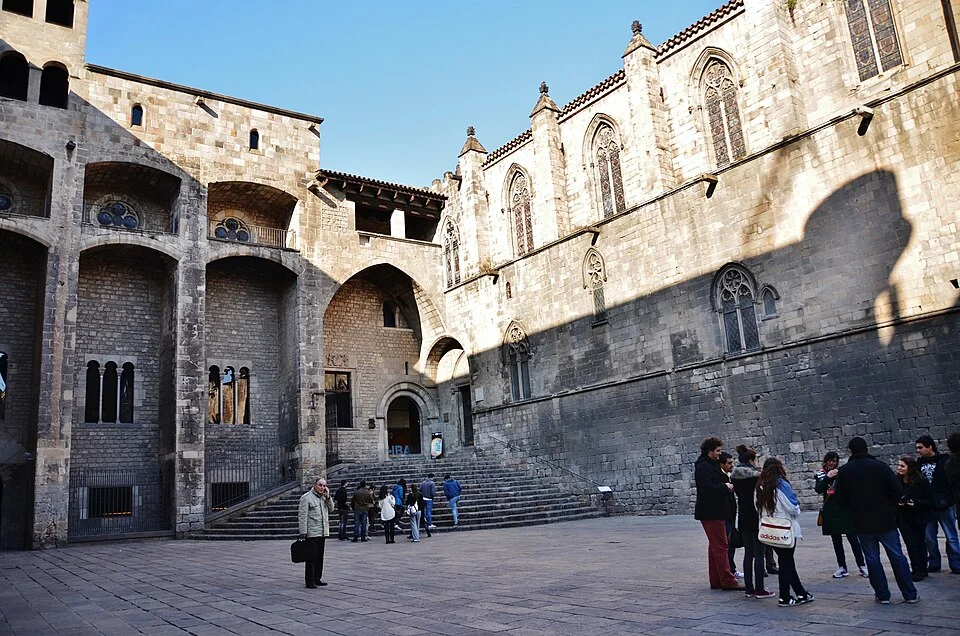
In 1263, something extraordinary happened in this palace. King James I of Aragon ordered a public theological debate between Nachmanides – Rabbi Moses ben Nachman, also known as ‘Ramban’ – and a Christian representative, on the question of whether Jesus was the Jewish Messiah.
The Disputation of Barcelona took place right here, in the Grand Royal Palace at the heart of El Call.
The outcome was remarkable.
Nachmanides argued so effectively that he proved the Christian position wrong. The cost was severe. He was forced to leave Aragon and could never return.
He emigrated to the Land of Israel in 1267, where he went on to found what became the second oldest active synagogue in Jerusalem. When I tell guests this story on the exact spot where it happened, the silence that follows is something I never tire of.
James I later ordered the removal of passages deemed offensive from the Talmud – marking a turning point in how Jews were regarded in Spain.
Tourists can still visit the palace today. It is a real, walkable place, not just a historical footnote.
What are the highlights of this site?
- The exact location of the 1263 Disputation – one of the most significant Jewish-Christian theological debates of the Middle Ages
- The story of Nachmanides – forced into exile, but going on to found one of Jerusalem's oldest active synagogues
- A tangible connection to the moment Spanish attitudes toward Jews began to shift
3. Casa Adret
Casa Adret is one of the oldest habitable buildings in Barcelona. Its history is layered and dark.
Jews lived here and in the surrounding quarter between the 9th and 14th centuries. In 1391, a pogrom swept through El Call. The owner of Casa Adret was attacked, forced to convert to Catholicism, and compelled to sell his properties.
What makes this building extraordinary are the six medieval mezuzah holes discovered in its walls.
A mezuzah is a small scroll placed on the doorpost of a Jewish home – a tradition that goes back to the Exodus, when God instructed the Jews to mark their doorposts with lamb's blood so the angel of death would pass over their homes. Jews have placed scrolls on their doorposts ever since as a continuation of that ancient covenant.
Casa Adret’s six mezuzah holes are a direct physical trace of Jewish family life. Someone lived here. Someone came home each day and touched that mezuzah.
Since 2018, the building has been transformed into a Jewish cultural centre and hub for local Jewish organisations. Visit it and you'll immediately dispel the myth that there is no Jewish community in Barcelona today – there very much is.
What are the highlights of this site?
- Six ancient mezuzah holes – a direct physical trace of Jewish family life in medieval Barcelona
- The story of the 1391 pogrom and its devastating impact on the quarter
- Now a living Jewish cultural centre – proof that Jewish Barcelona is not just history
4. Sinagoga Major: Barcelona's Ancient Synagogue
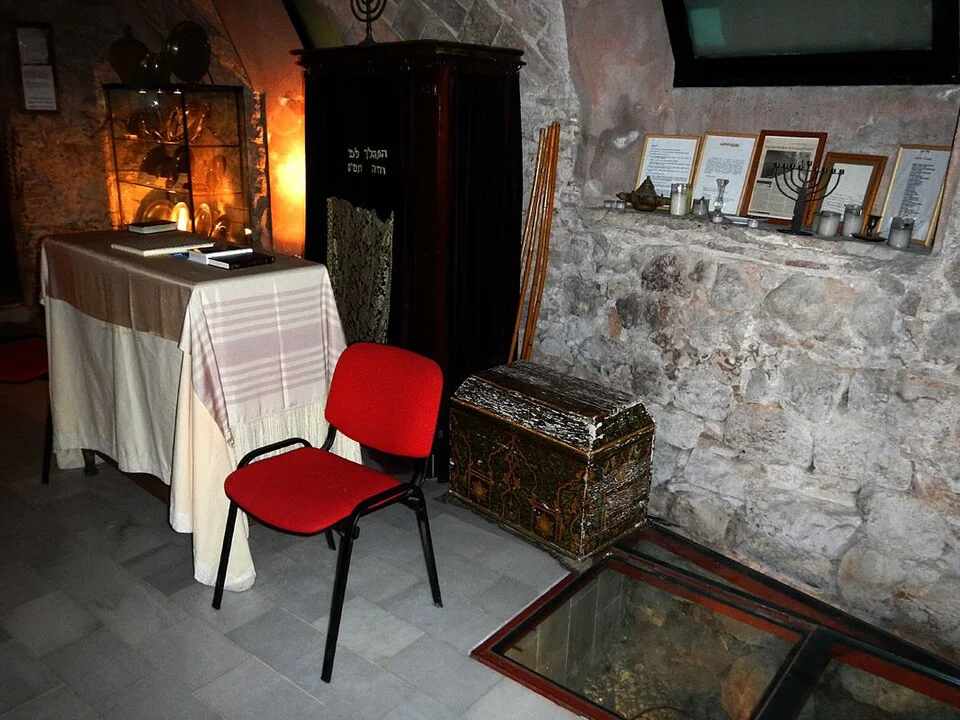
The Sinagoga Major is believed to be Spain's oldest synagogue, with origins as far back as the 3rd or 4th century CE.
It was significantly built and expanded in the 9th century and again in the 14th century, before the community was destroyed. Archaeological research began here in 1996.
The synagogue didn't announce itself. It was hidden within the fabric of the quarter, and today only traces remain: the entrance that once gave women access, and a small exhibition of objects connected to the original building.
It now functions as a small Jewish museum and is still used for worship today.
The standout fact – one that stops people in their tracks – is this: the building faces east, toward Jerusalem.
That orientation, unusual for any Barcelona structure, was one of the key clues that led archaeologists to identify it as a synagogue. This is exactly the kind of site that rewards visiting with someone who knows what to look for.
What are the highlights of this site?
- Believed to be Spain's oldest synagogue, dating as far back as the 3rd or 4th century CE
- Its east-facing orientation toward Jerusalem was the key clue in its archaeological identification
- Small exhibition of original synagogue objects – and still used for worship today
5. History Museum of Barcelona (MUHBA)
Located within El Call, the History Museum of Barcelona showcases everyday objects uncovered during archaeological digs in the Jewish quarter – plates with Hebrew characters, manuscripts, fragments of a community's daily life from the 13th and 14th centuries.
As I always tell the guests I bring here – with a guide, these objects become windows into a vanished world. Without one, they’re interesting old things behind glass.
The museum rewards context and context is what a good guide provides.
What are the highlights of this site?
- Everyday objects from Barcelona's 13th and 14th century Jewish community – plates, manuscripts, Hebrew inscriptions
- Best experienced with a guide who can bring the objects to life in their proper context
Planning a Jewish heritage trip to Spain and not sure where to start? I can put together a free personalised itinerary based on your travel dates and priorities. Request yours here.
Girona
If Barcelona is where your Jewish heritage journey begins, Girona is where it deepens.
The Jewish community here dates back to 890 AD. Girona has what I believe to be the best-preserved and most important Jewish quarter in Spain. It was rediscovered almost by accident – a property developer in the late 1970s found the remains.
Legend has it that families expelled in 1492 had bricked off their properties, expecting to return. Their Catholic neighbours were too afraid to reopen them, fearing they would be considered Jewish. The quarter was entombed for nearly 500 years.
6. El Call & the Bonastruc Ca Porta Centre: Girona’s Jewish Quarter
Girona's El Call was one of the most important centres for Kabbalah in Europe during the 12th and 13th centuries – an intellectual and spiritual hub that helped shape mystical Judaism across the Iberian Peninsula.
Kabbalah has always fascinated the guests I bring here. There’s something about walking the passageways where these ideas were developed – where the light barely reaches and the stone walls press close on either side – that makes the whole tradition feel suddenly, viscerally alive.
Among the great scholars who taught here was Nachmanides – the same ‘Ramban’ who was later expelled from Aragon after the Barcelona Disputation. His presence in Girona connects the two cities in a powerful way.
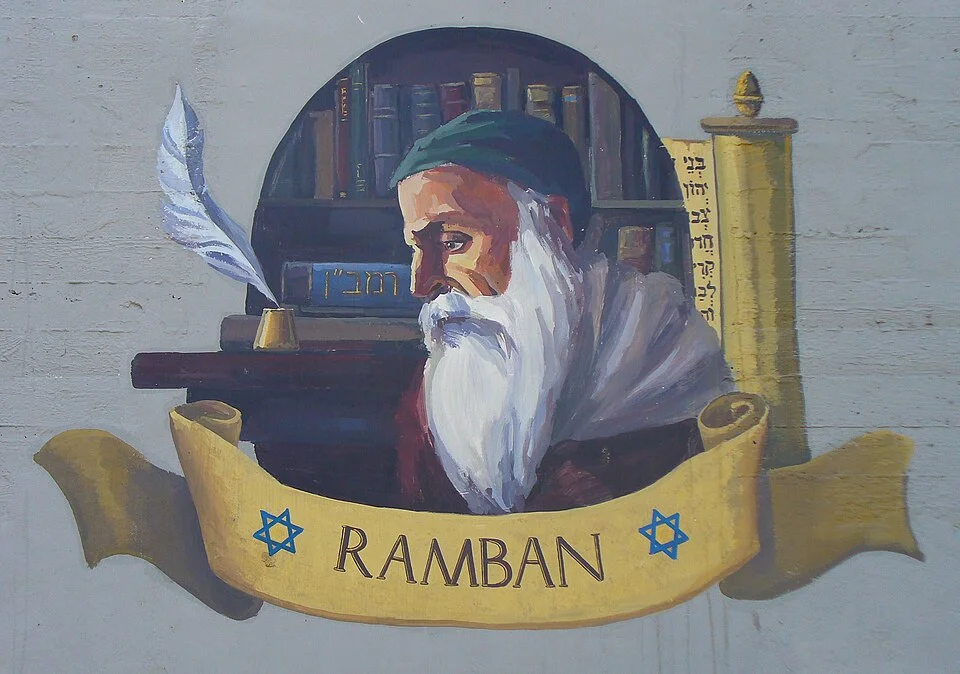
At the heart of the quarter is the Bonastruc Ca Porta Centre, named after Nachmanides' Catalan name, which houses a Catalan Museum of Jewish Culture, the Institute for Sephardic and Kabbalistic Studies, a library of medieval Jewish manuscripts, and hosts art exhibitions, musical events and food tastings. It was built on the site of an ancient synagogue.
The Jewish History Museum here tells the full story of Girona’s Sephardic community and is one of the finest of its kind in Spain.
What are the highlights of this site?
- One of the most important Kabbalistic centres in medieval Europe – the birthplace of Spanish Jewish mysticism
- The Bonastruc Ca Porta Centre – museum, library of medieval manuscripts, cultural events and food tastings
- Narrow passageways that feel genuinely unchanged since the 14th century
- Jewish History Museum telling the full story of Girona's Sephardic community
Besalú
7. The Medieval Mikveh of Besalú
Besalú is a stunning medieval town near Girona that first welcomed a Jewish community in the 9th century – Girona's own first Jewish settlers originally came from here.
It holds one extraordinary reason to visit: it’s home to one of only three preserved medieval mikvehs from this period that have survived anywhere in Europe. It was only discovered in 1964.
A mikveh is a ritual Jewish bath used for spiritual purification – an important element of Jewish religious life practiced for over two thousand years.
This one is a stone room with 36 steps descending underground and strategically placed openings that allow the rising river to flood it to the correct ritual water level each spring and autumn. It was built in the 12th century.
Standing at the top of those steps and looking down, you feel the weight of that antiquity.
The synagogue that once stood nearby, built in 1264, no longer survives. But the place where it stood still carries the name Pla dels Jueus – the Place of the Jews.
Practical tip: Combine a visit to Besalú’s mikveh with the Jewish quarter in Girona. They're close together and complement each other perfectly.
What are the highlights of this site?
- One of only three preserved medieval mikvehs from this period surviving anywhere in Europe
- A stone room with 36 steps – naturally flooded by the river to the correct ritual level each spring and autumn
- The site of the 1264 synagogue nearby – now a square still called Pla dels Jueus, Place of the Jews
Toledo
Toledo is a UNESCO-listed city and was once the capital of Spain.
It’s known as the ‘City of Three Cultures’ – Jewish, Muslim and Christian.
Just before the 1492 expulsion, it was the leading centre of Jewry in the country. Following the Alhambra Decree, eight of the city’s ten synagogues and its five Talmudic schools were destroyed.
Two synagogues survived, converted into Catholic churches – both are now open to visitors.
8. Transito Synagogue and the Sephardic Museum
The Transito Synagogue was built in 1357 by Samuel ha-Levi Abulafia, who served as treasurer to King Pedro I of Spain. He was a Jewish man at the very heart of the Spanish court.
The building is a national monument and one of the first examples of Mudéjar architecture in the country – a style that weaves together Jewish, Islamic and Christian influences in a single decorative language.
Step inside and the interior takes your breath away: intricate plasterwork, Hebrew inscriptions along the walls commemorating Samuel ha-Levi, and a beautifully panelled wooden ceiling.
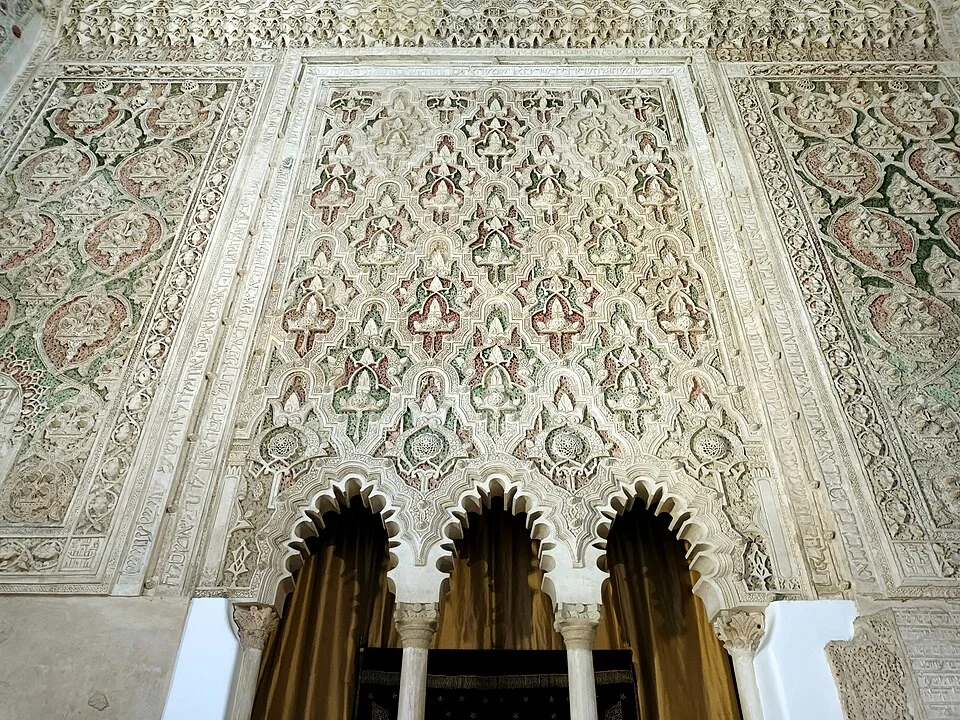
The building now houses the Sephardic Museum, which holds around 2,400 pieces of Jewish culture – tombstones, Hebrew inscriptions, a shofar (a ritual trumpet made from a ram's horn), and hosts seminars, courses and talks on Spanish Judaism.
Samuel ha-Levi was not merely tolerated. He was treasurer to a king.
That fact alone – a Jewish man at the height of royal influence – transforms how you read the building around you.
What are the highlights of this site?
- Built in 1357 by Samuel ha-Levi, treasurer to the King of Spain – a symbol of Jewish influence at its peak
- One of the finest examples of Mudéjar architecture in Spain – Jewish, Islamic and Christian styles intertwined
- The Sephardic Museum: 2,400 pieces of Jewish culture including tombstones, a shofar, and Hebrew inscriptions
- Seminars and talks on Spanish Judaism held on site
9. Synagogue of Santa María la Blanca
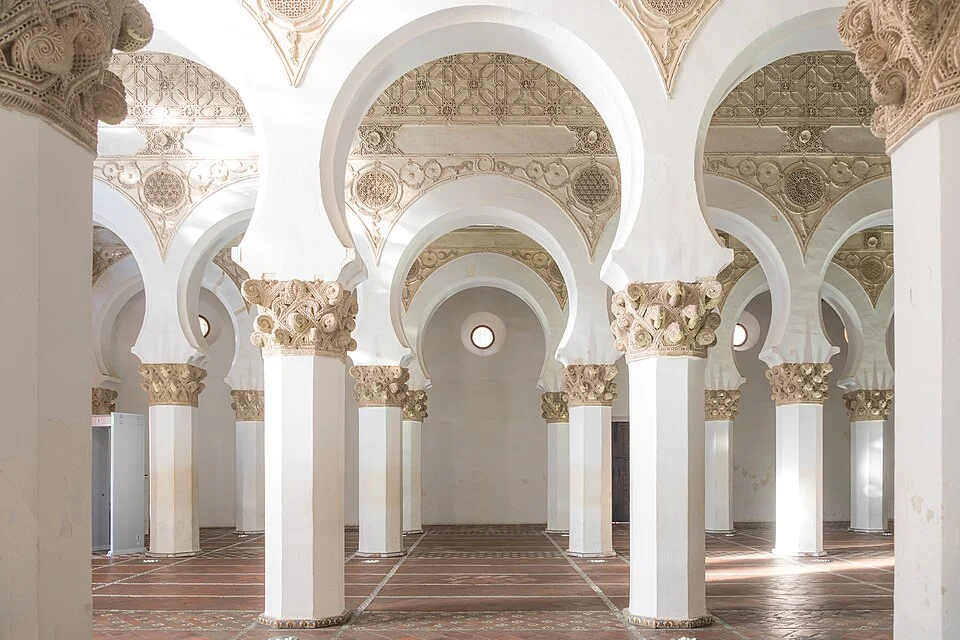
The Synagogue of Santa María la Blanca was built in the 12th century by Islamic architects for Jewish use.
This tells you something remarkable about how Toledo functioned as a city. Its Mudéjar style is a physical embodiment of the three-culture coexistence the city is famous for.
Toledo was also home to the Toledo School of Translators. It was a remarkable intellectual institution where Arabic, Hebrew, Greek and Latin texts were translated into Spanish and other languages, enabling an extraordinary cross-cultural exchange of knowledge.
That context makes this building more than a religious site.
It’s a symbol of what happens when cultures collaborate rather than clash.
In 1411, the preacher Vicente Ferrer – who had already led violent anti-Jewish campaigns, including the 1391 pogrom – forced the conversion of the synagogue to a church. It remains a church today, empty of furniture, open to visitors.
Stand inside and look at the horseshoe arches – Islamic in form but built by and for Jews. It’s now a church. That architectural fact alone is worth the visit.
What are the highlights of this site?
- Built by Islamic architects for Jewish use – a physical symbol of Toledo's three-culture coexistence
- Connection to the Toledo School of Translators – where Arabic, Hebrew, Greek and Latin texts were shared across cultures
- Converted to a church in 1411 after anti-Jewish persecution – its horseshoe arches still tell the full story
Córdoba
Córdoba is Maimonides’ city.
One of the greatest Jewish philosophers, physicians and scholars who ever lived was born here. That alone makes it a pilgrimage destination for many Jewish travellers.
But Córdoba offers more than one man’s story. It has a beautifully preserved Jewish quarter, one of Spain's finest medieval synagogues, and a remarkable cultural project dedicated to keeping Sephardic heritage alive.
10. La Judería and Kay Judíos: The Jewish Quarter of Córdoba
The historic centre of Cordoba is a UNESCO World Heritage Site, within which sits the former Jewish Quarter or La Judería.
Its labyrinth of narrow cobbled streets and whitewashed buildings feels like it’s not changed much at all since the medieval period.
Walking through the Almódovar Gate, known locally as the Gate of the Jews, into the quarter is one of those moments that stops you in your tracks.
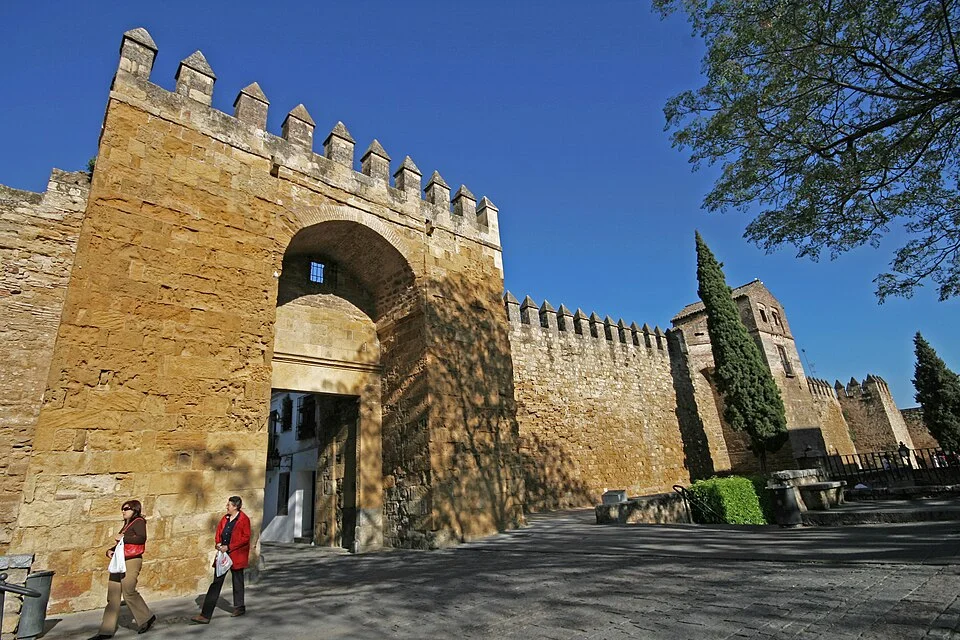
It is also the place to tell the story of Ladino.
Just as Jews in Germany developed Yiddish – a combination of Hebrew and German, written in Hebrew letters – the Jews of Spain and Portugal developed their own language, Ladino. Ladino is a blend of Hebrew and Spanish also written in Hebrew letters.
Walking through these streets, you’re walking through the birthplace of a language still spoken by Sephardic communities today.
Then there’s Samuel Palache – the Jewish pirate from Córdoba.
A descendant of Jews expelled from the city in 1492, he sailed under the flags of Morocco and the Netherlands, taking revenge on Spanish ships. He was born around 1550, over a century after the expulsion and yet he carried his ancestors' story with him across the seas.
Jews in the diaspora really respond to that narrative – the idea of a Jew fighting back, on his own terms, on the open water.
What are the highlights of this site?
- UNESCO World Heritage Site – medieval cobbled streets entering through the Almódovar Gate, the Gate of the Jews
- Hear the story of Ladino, the Jewish language of Spain and Portugal – still spoken by some Sephardic communities today
- The legend of Samuel Palache – the Jewish pirate who took revenge on Spanish ships on behalf of his expelled ancestors
11. Statue of Maimonides (Rambam)
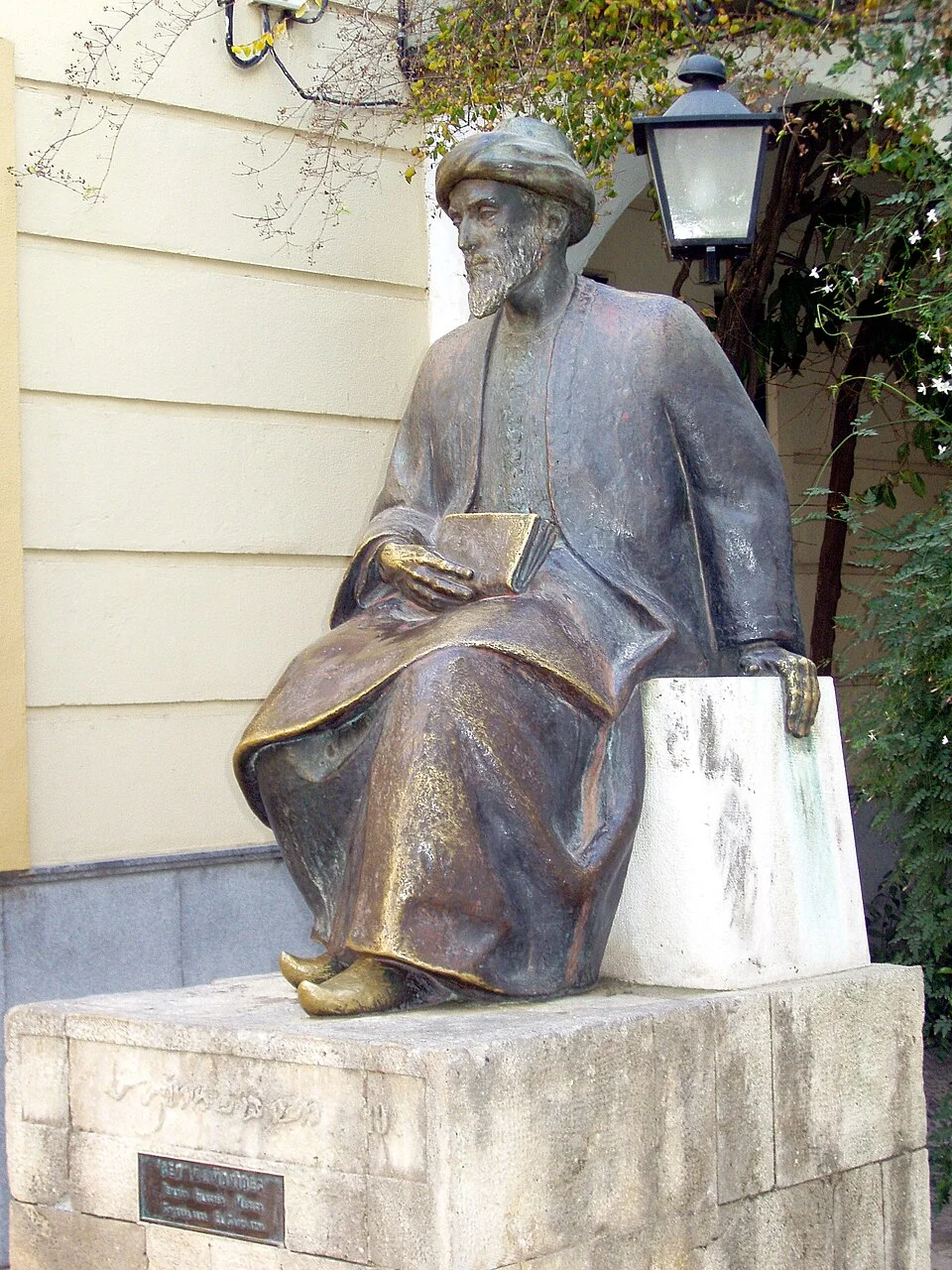
Maimonides – known in Jewish tradition as ‘Rambam’ (not to be confused with Nachmanides, who was also known as ‘Rambam’) – was born in Córdoba in 1138.
He was one of the most important Jewish philosophers, legal scholars and physicians of any era, serving as advisor to the Sultan of Egypt and writing medical texts that remained in use for centuries.
His statue stands in the Jewish quarter and has become one of the most visited monuments in Córdoba. The foot of the statue is famously shiny and it’s considered good luck to touch it – visitors have been doing so for decades.
It’s a small detail, but a human one.
These are the moments that make a heritage site feel alive rather than archived.
What are the highlights of this site?
- A monument to one of the greatest Jewish thinkers who ever lived – born right here in Córdoba
- Touch the famously shiny foot of the statue – a tradition visitors have kept alive for decades
12. Córdoba Synagogue
The Córdoba Synagogue was built between 1314 and 1315 and is one of the three best-preserved medieval synagogues in Spain.
Small but extraordinary, it’s the only synagogue in Spain from this period that was never converted into a Christian place of worship. This makes it extraordinarily rare and, when you stand inside it, extraordinarily moving.
The Mudéjar plasterwork is intricate and inscriptions, in Hebrew, are original.
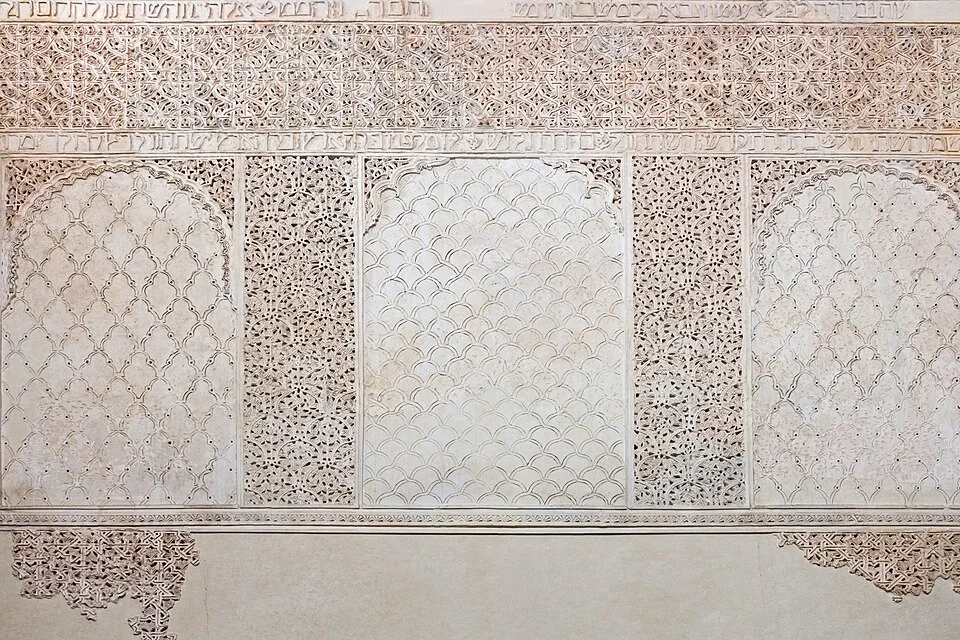
While the synagogue was built after Maimonides' death, it stands in the neighbourhood where he was born and reflects the architectural tradition of his era. The connection between the two feels right.
What are the highlights of this site?
- One of the three best-preserved medieval synagogues in Spain
- The only synagogue from this period in Spain never converted into a church – a rare survivor
- Intricate Mudéjar plasterwork and original Hebrew inscriptions
13. Casa Sefarad
Casa Sefarad is a cultural project in the heart of Córdoba's Jewish Quarter, dedicated to Judeo-Spanish culture, history and traditions. It houses a unique collection of Sephardic artefacts and runs regular cultural activities to keep the Sephardic legacy alive.
One of its most surprising highlights is an exhibition on Sephardic food that reveals the Jewish origins of dishes most Spaniards eat today – including cocido stew. Most Spaniards don't know this. It’s one of my favourite myth-busting moments on any tour.
The Jewish influence on Spain didn't disappear in 1492.
It is woven into the food, the language, the culture – hiding in plain sight.
If you’re interested in taking a virtual reality tour of the house, you can do so here.
Practical tip: if you visit Córdoba in June, it’s worth noting that the International Sephardic Music Festival usually takes place at this time of the year in the city’s Botanical Gardens. It’s a wonderful way to experience living Sephardic culture.
What are the highlights of this site?
- Unique collection of Sephardic culture, history and traditions
- Exhibition on Sephardic food, including the Jewish origins of dishes most Spaniards eat today
- International Sephardic Music Festival in the Botanical Gardens each June
Granada
Granada holds one of the most important moments in Jewish history. It was here, at the Alhambra, that the decree expelling all Jews from Spain was signed in 1492.
Walking through Granada as a Jewish traveller means walking through the city where that decision was made – and understanding the scale of what was lost.
14. The Realejo: Granada’s Jewish Quarter
The Realejo is Granada’s former Jewish quarter, a neighbourhood of winding streets and beautiful architecture. It’s also the place to tell the story of the expulsion in full.
When the Alhambra Decree was signed in 1492, Jews were given four months to convert to Catholicism or leave. They were forbidden from taking gold, silver or minted money. Estimates suggest 150,000 Jews were expelled, while over 200,000 were converted.
Many Spanish surnames today – across families who have identified as Catholic for generations – trace directly back to Jewish converts from that moment. For example, Mendes, Espinosa and Franco.
Look for the statue of Judah ben Saul ibn Tibbon, the Granada-born scholar who became famous as a translator, rendering philosophical and scientific works into Hebrew.
His letters to his son – urging him to protect his books above all else, because they are your greatest treasure – have a timeless quality that stops people in their tracks.
The story did not end in 1492.
Between 2015 and 2019, Spain’s government opened a pathway to citizenship for descendants of expelled Jews. 72,000 descendants of Sephardic Jews received Spanish nationality – coming from Turkey, Israel, Colombia, Mexico and Venezuela.
The expulsion happened. But so did the return.
What are the highlights of this site?
- Statue of Yehuda Ibn Tibbon, the Granada-born scholar who taught that books are your greatest treasure
- Walk streets that tell the story of the 1492 expulsion – 150,000 expelled, 200,000 converted
- 72,000 descendants of Sephardic Jews have since reclaimed Spanish citizenship – the story continues
15. The Alhambra Palace
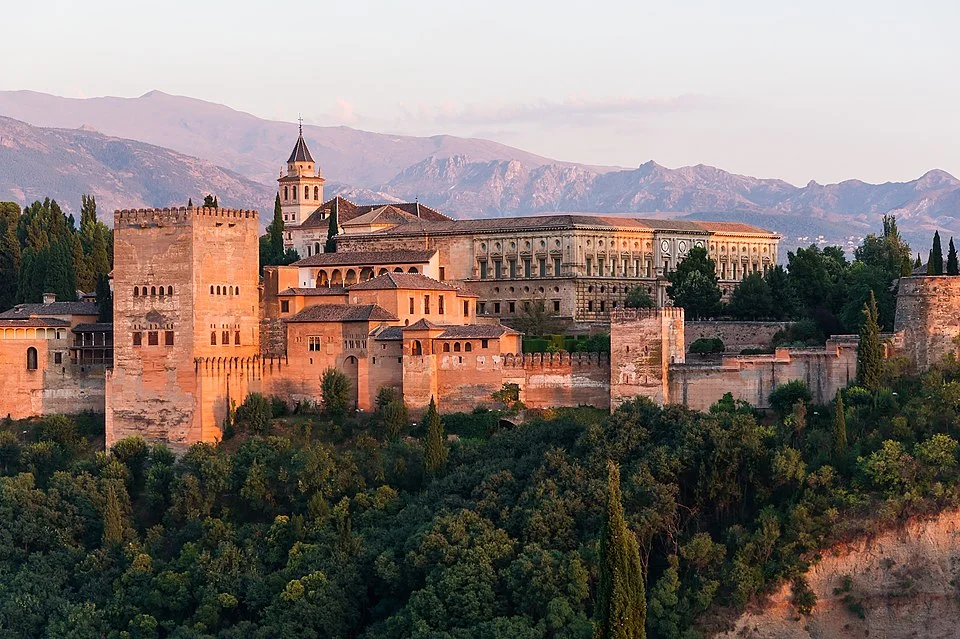
The Alhambra is one of the most stunning palaces in the world. For Jewish travellers, it carries an additional and sobering weight.
It was here, in March 1492, that the Alhambra Decree was signed, the order that expelled all Jews from Spain.
Isaac Abravanel, one of the most prominent Jewish financiers and scholars of the age, who had lent Ferdinand and Isabella considerable sums of money, tried personally to have the decree reversed. He offered 30,000 ducats to stop it.
He failed, and went into exile in Naples.
Tell yourself that story when you walk through those gates.
The palace is extraordinary on its own terms – the tilework, the gardens, the light off the water. But understanding what happened within these walls transforms the experience of visiting it.
This is not just one of Europe's great buildings, it’s the place where a community of 150,000 people lost their home.
What are the highlights of this site?
- Site of the 1492 Alhambra Decree, the order that expelled all Jews from Spain
- The story of Isaac Abravanel, who tried to stop the expulsion with 30,000 ducats and failed
- One of the most beautiful palaces in the world, made more powerful by knowing what happened here
Madrid
Madrid is Spain's capital and a city with a fascinating, if less immediately visible, Jewish heritage.
Unlike Toledo or Córdoba, it doesn't have a preserved medieval synagogue. But it has a growing Jewish community, a world-class Jewish museum, and a surprising number of sites that reward closer attention.
16. Museum of the History of the Jewish Community of Madrid
The Museum of the History of the Jewish Community in Madrid is the first major dedicated Jewish museum in Madrid. It showcases 3,000 years of Sephardic history through its collection.
The standout fact is this: it is housed within a functioning synagogue, the Beth Yaacov Synagogue, and also functions as the headquarters of the Jewish Community of Madrid.
A visit to this place connects you not just to historical Jewish Madrid but to the living Jewish community that exists in the city today.
This is a direct counter to the myth that Jewish Spain is purely historical. There is a real, active community here – and this is one of the best places in Madrid to connect with it.
Practical tip: this is also one of the best places to find current information on kosher dining options in Madrid.
What are the highlights of this site?
- 3,000 years of Sephardic history in Madrid's first dedicated Jewish museum
- Located within the functioning Beth Yaacov Synagogue – a living Jewish community, not just a heritage site
- One of the best places to find information about kosher dining in Madrid
17. The Prado Museum: A Jewish Perspective
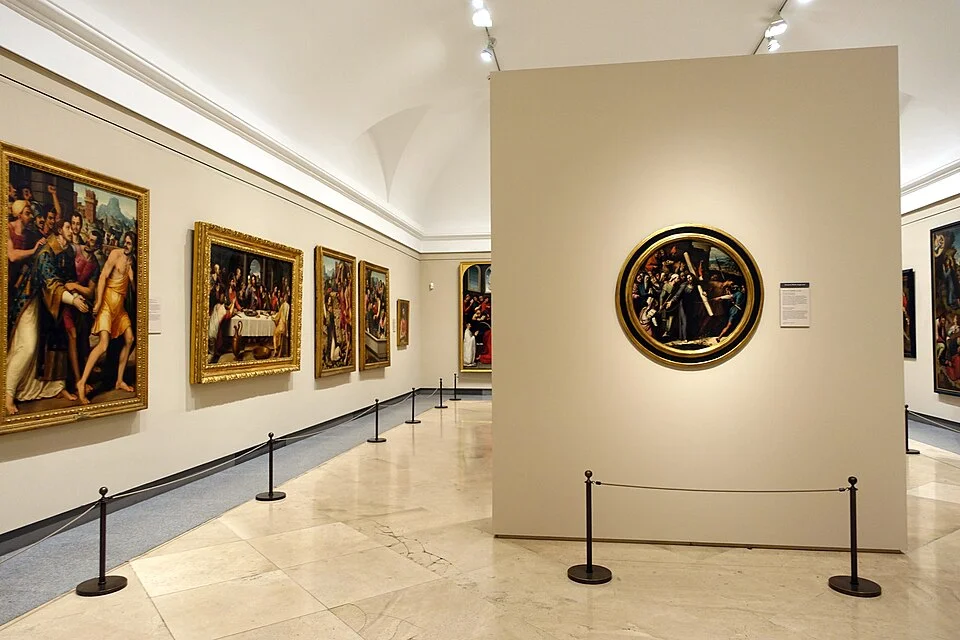
The Prado is Spain's most famous art museum – and while it’s not a Jewish site in itself, it becomes one in the right hands.
Shin Tours can arrange private after-hours tours that explore the museum through a Jewish and Sephardic lens, identifying symbols, stories and cultural traces woven through the collection that most visitors walk past without noticing.
This is one of the experiences that independent travellers simply cannot arrange themselves. It transforms a world-class museum into a chapter of Jewish history.
What are the highlights of this site?
- Spain's greatest art museum, with Jewish and Sephardic symbolism woven through the collection
- Shin Tours can arrange private after-hours tours with a Jewish perspective, an experience not available independently
18. The Royal Palace and Garden of the Three Cultures
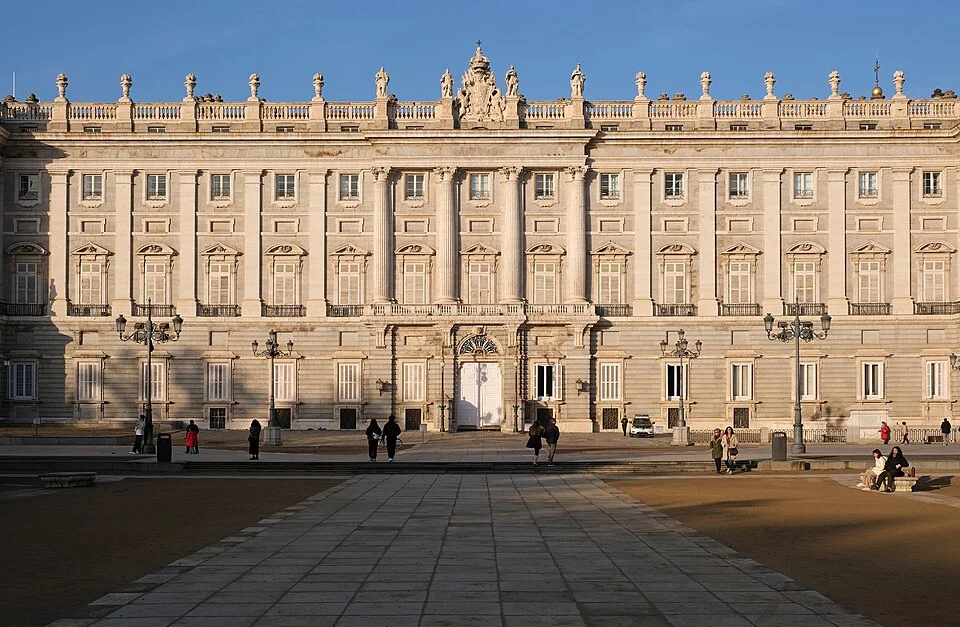
The Royal Palace Library holds a 1487 Hebrew Bible. It’s a remarkable object that connects Madrid's royal history to the Jewish intellectual tradition.
Next to the palace, the Garden of the Three Cultures was built specifically to recognise the historical coexistence of Hebrew, Christian and Muslim cultures in Spain. It’s a peaceful, symbolic space and a good place to reflect on everything you have seen across your trip.
What are the highlights of this site?
- Royal Palace Library, home to a 1487 Hebrew Bible
- Garden of the Three Cultures, a space built to honour the coexistence of Jewish, Christian and Muslim Spain
More Jewish Sites Worth Visiting in Spain
Spain's Jewish heritage extends far beyond the six cities covered above. The following sites are worth adding to a longer itinerary or planning a dedicated visit around – each one adds a different dimension to the story of Jewish Spain.
19. Segovia
Segovia is best known for its Roman aqueduct and Alcázar, a kind of Islamic castle or palace built during the period of Muslim rule from the 8th to the 15th centuries.
However, Segovia also has a rich and largely hidden Jewish history that most visitors walk straight past.
The Corpus Christi Church was once the main synagogue in Segovia. Inside, a painting depicts the reason for its expropriation by the Catholic Church.
The Educational Centre of the Jewish Quarter is located in the house of Abraham Seneor, one of the most powerful Jewish figures in 15th century Spain, who served as chief rabbi and royal tax collector before converting to Christianity under pressure at the time of the expulsion.
The Alcázar is where Isabella took refuge the day before she was proclaimed Queen of Castile and León in 1474. Her subsequent marriage to Ferdinand of Aragon created the political union that led directly to the Inquisition – and to the expulsion.
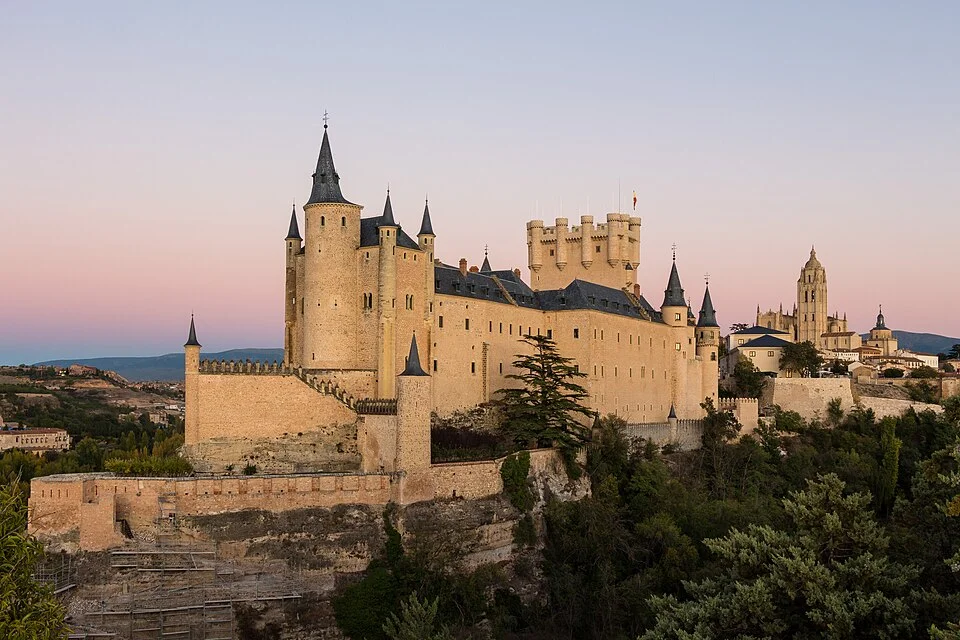
Standing there, knowing what that building set in motion, is a strange feeling.
There’s also a Jewish cemetery outside the 11th century walls, open to visitors. Segovia rewards a full day – but only if you have someone with you who knows what they're looking at.
What are the highlights of this site?
- Corpus Christi Church, the former main synagogue of Segovia, with a painting depicting its expropriation
- Educational Centre of the Jewish Quarter in Abraham Seneor’s house
- The Alcázar, where Isabella took refuge before becoming queen, setting in motion the events that led to the expulsion
- Medieval Jewish cemetery outside the city walls
20. Seville
The history of Jews in Seville goes back to the time of the First Temple – some of the most prominent Jewish families in Seville claim descent from King David’s era.
Seville was one of four major Jewish communities during Spain’s period of Muslim rule. After the Christians reclaimed the city, a second, larger Jewish quarter was built – at one time, it housed Spain's largest Jewish community.
That quarter is now known as Barrio Santa Cruz. It is also, perhaps not coincidentally, the neighbourhood most associated with flamenco – a musical form whose roots include Jewish musical traditions, among others.
Start a visit in Santa Cruz Square, the site of the old synagogue destroyed in 1811. From there, head to the synagogue-church of Santa María la Blanca (built 1252, remodelled 1662 – not to be confused with the church with the same name in Toledo) and the church of San Bartolomé.
Worth seeking out also are the city gates that once provided access to the Jewish Quarter – De la Carne, San Nicolás and Mesón del Moro.
Shin Tours can arrange a private guide who shows Seville through Jewish eyes – from past to present – contextualising details that independent visitors would walk past without noticing. Find out more about our Jewish heritage tours in Spain.
What are the highlights of this site?
- Barrio Santa Cruz – once Spain's largest Jewish quarter, now home to the Jewish Interpretation Center
- Santa María la Blanca synagogue-church, built in 1252, one of the oldest in Spain
- Medieval city gates marking the boundaries of the Jewish quarter
- Flamenco – with roots that include Jewish musical traditions
21. Lorca
Lorca is one of Spain's most remarkable Jewish heritage discoveries.
In 2002, archaeological excavations, which began during construction of a Parador hotel, uncovered the remains of an extensive medieval Jewish quarter inside the castle walls. This included a synagogue in an exceptional state of preservation.
The foundations of the bimah – the raised platform from which the Torah is read during services – was uncovered, along with a unique collection of glass fragments from the twenty lamps that once lit the sanctuary.
The synagogue is extraordinary because it was never converted into a church.
It is one of very few in Spain that retains its original Jewish identity. Since 2012, Hanukkah candle-lightings have taken place at the site.
The Parador de Lorca hotel is built on top of the archaeology and incorporates the partially reconstructed synagogue ruins, along with an exhibition on Lorca’s Jewish heritage. A small new synagogue has also been opened within the hotel.
It’s a genuinely unusual place to spend a night.
What are the highlights of this site?
- Exceptionally preserved medieval synagogue – never converted into a church
- Bimah foundations and twenty lamp glass fragments uncovered during 2002 excavations
- Annual Hanukkah candle-lighting at the site since 2012
- Parador hotel built on the site – with the ruins incorporated and a small new synagogue
22.Lucena: The City of the Jews
Lucena, between Granada and Córdoba, was known in Hebrew as Eliossana, which means "God Save Us."
Between the 9th and 12th centuries, it was almost exclusively inhabited by Jews and considered one of the most important centres of Andalusian Jewry. The city's Jewish population grew significantly after 1066, when families fled persecution in Granada.
In 2006–2007, during construction of a ring road, an early medieval Jewish cemetery was excavated, revealing around 346 tombs, most of which dated from the first half of the 11th century. At least one gravestone dates as far back as the 8th or 9th century.
Practical tip: access to the Jewish cemetery requires a specialist guide. This is one of the sites where Shin Tours' contacts on the ground make all the difference.
What are the highlights of this site?
- Once almost exclusively Jewish – one of the most important centres of medieval Andalusian Jewry
- 346 tombs in the Jewish cemetery, some dating back to the 8th to 9th century
23. Úbeda: Sinagoga del Agua
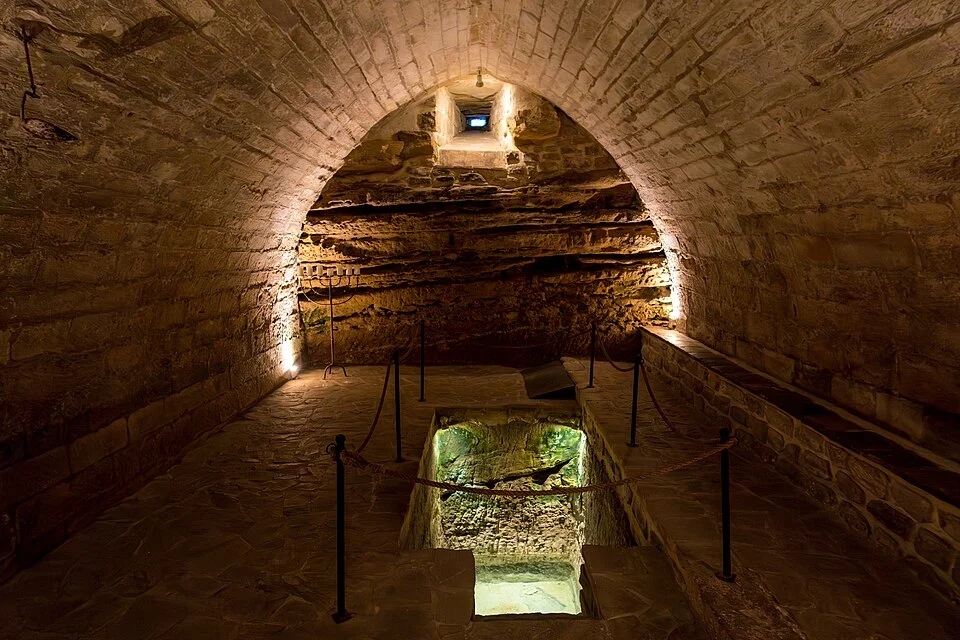
Úbeda and its twin city Baeza are UNESCO World Heritage Sites for their complex of medieval and Renaissance buildings.
During construction work in the 2000s, a mikveh and what is believed to be a medieval synagogue were discovered. They opened to the public in 2010 as the Sinagoga del Agua (Synagogue of Water), a reference to the mikveh.
This is one of the more recently discovered Jewish heritage sites in Spain and one of the lesser-known. This makes it a genuine insider recommendation.
What are the highlights of this site?
- A medieval synagogue and mikveh discovered during construction – opened to the public in 2010
- Set within a UNESCO World Heritage city – combine Jewish heritage with exceptional Renaissance architecture
24. Palma, Mallorca
Palma has an extensive Jewish history centred on one of the most remarkable stories in all of Spanish Jewry: the Chuetas.
The Chuetas are the descendants of medieval Palma Jewry who converted to Catholicism during the Inquisition but were never fully accepted by Christian society. They maintained a distinct identity for centuries: secret synagogues, hidden Hebrew letters etched into stone, and a community that preserved its difference without ever being able to name it openly.
A major massacre took place here in 1391, the same year as the Barcelona Pogrom.
Today, the Chuetas are working to conserve and revive their Jewish heritage almost 600 years after the expulsion.
Today, there’s a new synagogue and a local Jewish community.
There’s also a street named after the ‘Tower of Love’ which, as legend had it, was built by a Jew so he could view his beloved, a married Christian. It was a love that could never be.
There’s a mural on this street that makes reference to this legend of doomed love.
The Chuetas themselves are one of the most extraordinary examples of Jewish identity persisting through centuries of persecution and forced conversion – their story is unique in Spain.
What are the highlights of this site?
- The Chuetas – descendants of converted Jews who maintained a distinct identity for 600 years and are reviving their heritage today
- Secret synagogues and hidden Hebrew letters in the stone walls of the Jewish quarter
- The Tower of Love, a legend central to the story of Palma’s Jewish community
The Missing Piece
You now have a comprehensive picture of Jewish Spain, city by city, site by site.
Here’s the honest challenge.
Spain is one of the largest countries in Europe, and its Jewish heritage is spread across dozens of cities and hundreds of sites.
Even with this guide in hand, deciding what to focus on, how to structure a trip, which sites to combine in a single itinerary, and how to ensure the kosher and practical logistics are handled – all of this can feel overwhelming.
Most Jewish travellers who visit Spain independently end up seeing only a fraction of what they could have seen. Not because they didn't try but because they didn't know what to prioritise.
This is where we come in. My team and I have spent years designing Jewish heritage itineraries for Spain. We know which sites reward the most time, which combinations work best within a single trip, and how to connect you with the experiences and communities that bring the history to life. Request a free personalised itinerary and we'll build something around you.
Plan Your Jewish Heritage Trip to Spain With Shin Tours
Spain's Jewish heritage is extraordinary. It’s also genuinely difficult to navigate without insider knowledge. The country is vast, sites are spread across multiple cities and regions, and knowing where to focus requires experience that takes years to build.
What Shin Tours offers is tailor-made Jewish heritage itineraries for Spain – combining iconic sites with personal storytelling, kosher experiences, and meaningful Jewish connection.
Over more than a decade of designing these trips, I've learned which sites move people most, which combinations work, and how to build a journey that feels coherent rather than exhausting.
You won't miss the sites that matter, you won't waste time on the ones that disappoint and you won't spend the trip trying to figure out where to eat.
Answer a few questions here and I'll send you a recommended list of sites, a sample itinerary based on our highest-rated tours, and everything you need to start planning with confidence.