
Whether you're planning a luxury trip to Portugal, or simply curious about the climate, this guide will help you choose the perfect time to visit.
Lisbon: Year-Round Charm
Portugal’s capital, Lisbon, is a traveler’s delight no matter the season, but certain times of the year offer more magic than others. Spring (March to May) and fall (September to November) are ideal for exploring Lisbon’s neighborhoods, museums, and cafés without the heat or the overwhelming tourist crowds. During these months, temperatures are comfortably mild, ranging from 60°F to 75°F (15°C to 24°C), with fewer rainy days, creating perfect conditions for outdoor activities like climbing up to the Castelo de São Jorge or hopping on the iconic Tram 28.
Summer (June to August) can be quite hot, with temperatures often reaching 85°F (29°C) or higher. The city buzzes with energy, especially during the annual Festa de Santo António in June, but tourists flood the city, and prices skyrocket. If you thrive in the heat and love the bustle of city life, summer is still an exhilarating time to visit.
In winter (December to February), Lisbon remains relatively mild with temperatures between 50°F and 60°F (10°C to 16°C), but there can be rainy days. The festive lights and holiday markets give the city a special warmth, but if you’re looking for a purely sun-filled getaway, this isn’t the time to visit.
Best Time to Visit: Spring and fall.
When to Avoid: Winter if you dislike rain and summer if you want to avoid crowds and high prices
The Algarve: Sun-Soaked Beaches
For sun worshippers, the Algarve in southern Portugal is paradise. Known for its golden beaches, turquoise waters, and rugged cliffs, the Algarve is best experienced from June to September. During these months, temperatures hover between 77°F and 85°F (25°C to 29°C), with almost no rain in sight, making it perfect for beach days and boat trips along the stunning coastlines of Lagos or Albufeira.

However, August is the peak of the tourist season. While the beaches are gorgeous, they can get crowded, and accommodation prices surge. For a quieter but still warm experience, consider visiting in late spring (May) or early autumn (October) when the weather is still pleasant, but the tourist numbers dwindle.
In winter, temperatures in the Algarve rarely dip below 50°F (10°C), but it’s not beach weather, and some resorts close for the off-season. It’s ideal for golfers, hikers, or those seeking a quiet retreat without the summer heat.
Best Time to Visit: June, early July, and September.
When to Avoid: August, due to crowds, and December to February for beachgoers
Porto and the Douro Valley: Wine and Mild Weather
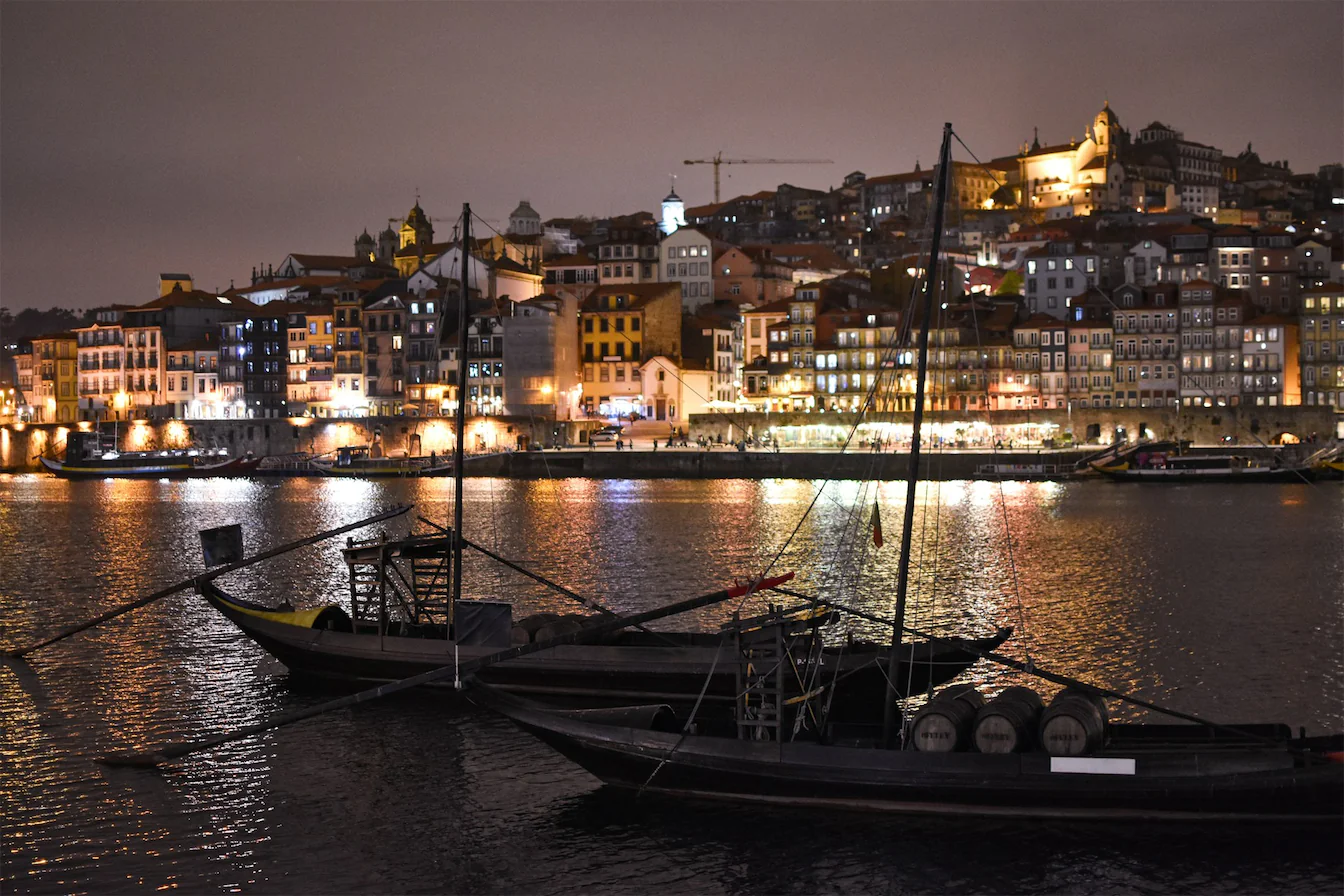
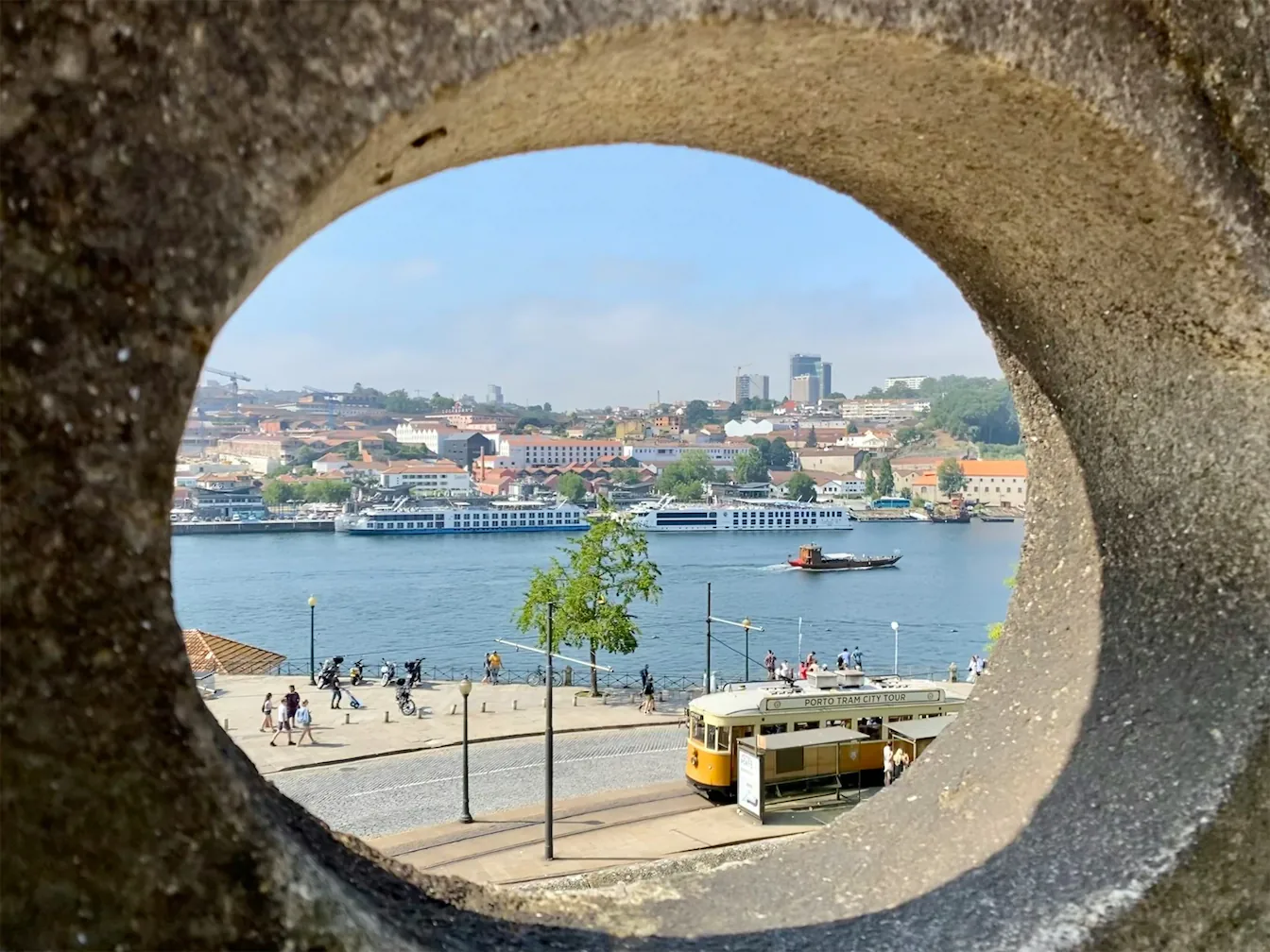
The city of Porto and the surrounding Douro Valley are renowned for their port wine, historic architecture, and scenic river views. Spring (April to June) and fall (September to October) are the best times to explore this northern region. Temperatures during these periods range from 60°F to 75°F (15°C to 24°C), making it ideal for wandering Porto’s riverside Ribeira district or embarking on a Douro Valley wine tour.
Summer (July to August) can bring warmer weather, but the Atlantic breezes help keep Porto cooler than Lisbon or the Algarve. If you’re visiting during the wine harvest in September, you’ll be treated to lively vineyard celebrations and grape stomping festivals, particularly in the Douro Valley. However, winter can be rainy and chilly, with temperatures between 40°F and 55°F (5°C to 13°C), which might dampen your experience if you’re looking for sunshine-filled days.
Best Time to Visit: April to June, September.
When to Avoid: Winter months if you want to avoid rain
Madeira and the Azores: Island Escapes
The islands of Madeira and the Azores are subtropical havens off the coast of Portugal, and their mild climates make them a year-round destination. Madeira, known for its lush landscapes and terraced vineyards, is best visited in spring (April to June) when the island bursts into bloom. The famous Flower Festival in April is a highlight, offering vibrant parades and colorful displays. Summer (July to September) is also a great time to visit for beach activities, though it’s busier with tourists.

The Azores, a more remote and volcanic archipelago, is best visited from June to September when the weather is warmest (60°F to 77°F or 16°C to 25°C). This is prime hiking and whale-watching season, but even in winter, the islands offer mild temperatures, though the rain is more frequent.
Best Time to Visit: Madeira in April to June, Azores in June to September.
When to Avoid: Winter months, especially January and February, if you want to avoid rain.
Conclusion: The Best of Portugal Awaits
Portugal offers a mix of cosmopolitan cities, beach escapes, and wine-soaked valleys, each with its own best time to visit. Whether you’re seeking the warmth of the Algarve’s summer sun, the blooming spring gardens of Madeira, or the mild autumn in Porto’s wine country, there’s a perfect season to explore every corner of this diverse country. Plan wisely to avoid the crowds and soak in Portugal’s beauty when it shines brightest.