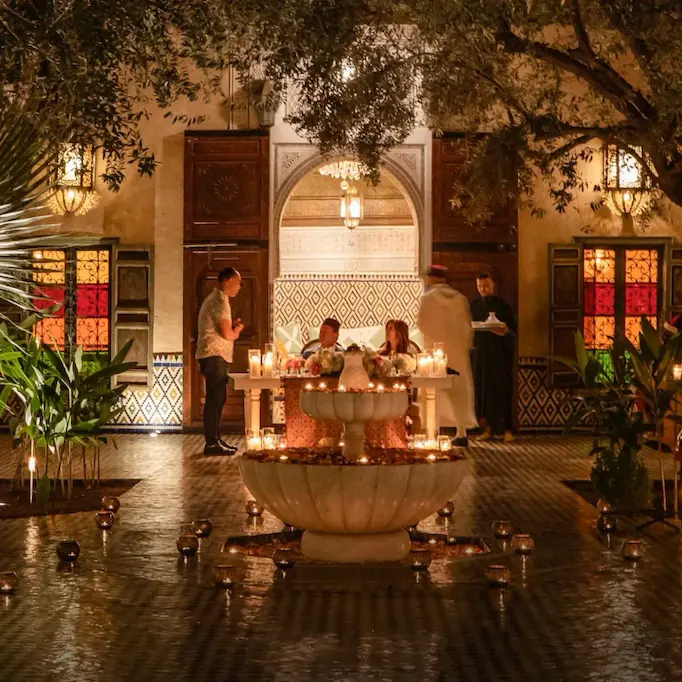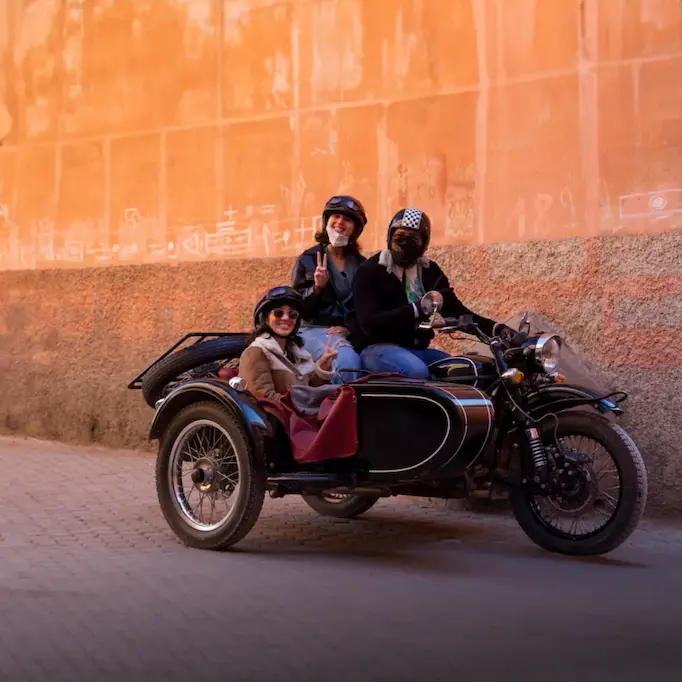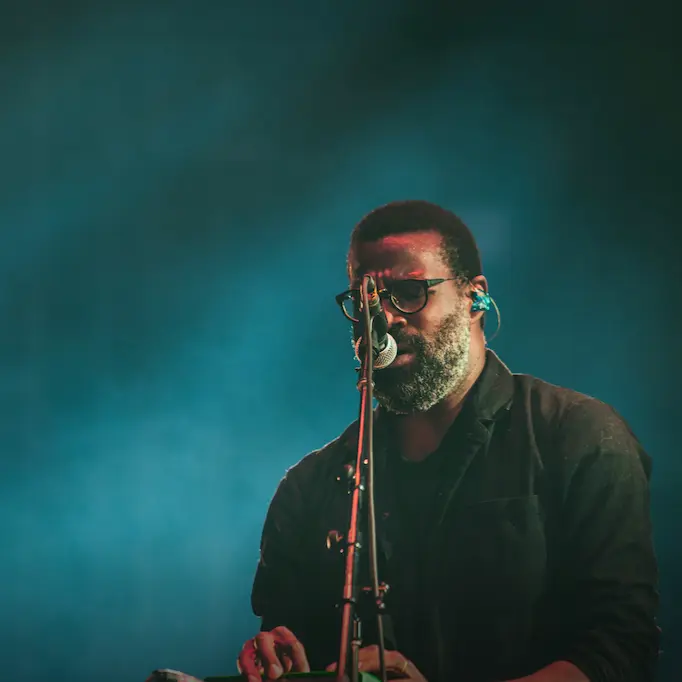
Morocco, a land where the warm embrace of the sun meets the cool whispers of the Atlantic breeze, offers a climate as diverse as its landscapes.
Understanding the nuances of Moroccan weather is key to planning your luxury tour to Morocco and enjoying every moment in comfort and style. From the bustling markets of Marrakech to the serene sands of the Sahara, understanding the nuances of Moroccan weather is key to planning your luxurious getaway. Here’s a seasonal guide designed for our high-end clientele from the USA, detailing when to soak up the Moroccan sun and how to avoid the occasional downpour.
1. Morocco’s Year-Round Weather in Fahrenheit
Morocco enjoys a varied climate that caters to every traveler's taste. Coastal areas like Casablanca and Tangier exhibit mild, Mediterranean weather with warm summers and gentle, wet winters. Inland cities such as Marrakech and Fez can experience more extreme temperatures.
- **Coastal Areas:** Expect temperatures around 65°F in winter and 80°F in summer.
- **Inland Cities:** Summer temperatures often exceed 100°F in the day, cooling down at night, while winters can be chilly with averages around 50°F.
- **Mountain Regions:** The Atlas Mountains can be quite cold, with winter temperatures dropping below freezing and summer days averaging 77°F.
2. When Should I Come?
The best time to visit Morocco largely depends on your planned activities and preferred climate:
- **Spring (March to May)**: This is the ideal time to enjoy Morocco’s natural beauty. The weather is pleasantly warm, and the landscapes are vibrant with blooming flowers, perfect for trekking through the Atlas Mountains or wandering the streets of Imperial cities. It’s also a wonderful time to embark on meaningful cultural experiences, like our Jewish heritage tours in Morocco, where history and hospitality intertwine.
- **Autumn (September to November)**: Similar to spring, autumn offers comfortable temperatures and fewer tourists. It’s an excellent time for sightseeing and exploring Morocco’s rich cultural heritage.
3. When Shouldn’t I Come?
- **Summer (June to August)**: If you prefer to avoid extreme heat, especially in inland cities like Marrakech where temperatures soar, steer clear of summer. Coastal areas, however, remain quite pleasant.
- **Winter (December to February)**: For those not fond of the cold, the mountain regions during winter might not be appealing, as temperatures can be quite harsh and snow is common.
4. Does It Rain Much in Morocco?
Morocco’s rainfall varies significantly across different regions:
- **Northern and Coastal Regions:** These areas receive the most rain, particularly during winter and spring. Cities like Tangier and Rabat can experience a moderate amount of rainfall, which rejuvenates the lush landscapes.
- **Inland and Southern Regions:** Rain is less frequent, making places like Marrakech and the Sahara Desert ideal for those seeking drier days.
In planning your Moroccan journey, whether you’re aiming to explore ancient medinas, relax in luxurious riads, or trek across mountain trails, aligning your visit with the right season will ensure your experience is as majestic as the land itself. Morocco’s welcoming climate, diverse geography, and rich culture promise an unforgettable escape for the discerning traveler. Beyond the weather, experience Morocco’s rich culture through Morocco's vibrant music scene and exquisite its culinary traditions for a truly complete journey. Enjoy the warmth of Moroccan hospitality, and may your travels be as splendid as the Moroccan sunset!